Ever wonder what powers your favorite indie games? It's not just passion; it's a stack of powerful, accessible software. Let's explore the essential tools for turning your game idea into reality.
There's a certain romance to indie game development, isn't there? The idea of a lone creator or a small, passionate team pouring their heart and soul into a digital world, free from the constraints of massive studios. It's a dream many of us in the gaming community share—a yearning to tell our own stories and build experiences that resonate. But beyond the passion and the late-night brainstorming sessions, there's a practical, foundational layer: the tools. Just like a painter needs brushes and a canvas, an indie developer needs a robust, reliable, and often surprisingly accessible software toolkit.
I used to be intimidated by the sheer thought of it. I imagined that you needed a colossal budget and an arsenal of hyper-specialized, expensive software to even get started. Honestly, that belief held me back for years. But what I've discovered, through countless hours of research and talking with other aspiring devs, is that the indie scene thrives on ingenuity and leveraging powerful tools that are often free or incredibly affordable. It’s about choosing the right companions for your creative journey, ones that empower you rather than overwhelm you.
So, let's pull back the curtain and look at the digital arsenal that makes these indie dreams a playable reality. This isn't just a list; it's a curated guide to the software that can take your idea from a fleeting thought to a fully-fledged game.
The Heart of the Game: Choosing Your Engine
The game engine is the single most important decision you'll make. It's the digital stage where your game's logic, physics, rendering, and audio all come together to perform. For an indie developer, this choice is critical, as it influences your entire workflow. Luckily, the modern landscape offers several incredible options, each with its own philosophy and strengths.
Unity has long been a titan in the indie space, and for good reason. Its versatility is legendary; it's capable of handling both 2D and 3D projects across a staggering number of platforms, from PC and consoles to mobile and VR. I’ve seen everything from charming pixel-art platformers to complex, stylized 3D adventures brought to life in Unity. A huge part of its appeal is the Asset Store, a massive marketplace filled with pre-made models, textures, audio, and code snippets that can save a solo developer or small team hundreds of hours. While its recent pricing changes have sparked debate, the sheer volume of tutorials and the massive, supportive community still make it a top contender, especially for those just starting out.
On the other end of the spectrum is Unreal Engine, often associated with the jaw-dropping visuals of AAA blockbusters. But don't let that reputation fool you into thinking it's out of reach. With Unreal Engine 5, features like Nanite (for hyper-detailed geometry) and Lumen (for dynamic global illumination) bring cinematic-quality visuals into the realm of possibility for indies. Its "get started for free" model, where you only pay royalties after your game becomes commercially successful, is incredibly generous. While its C++ foundation can be daunting, its visual scripting system, Blueprints, is a revolutionary tool that allows non-programmers to build complex game logic by connecting nodes, making it more accessible than ever.
And then there's the rising star of the open-source world: Godot. It's lightweight, completely free with no strings attached, and is built around a wonderfully intuitive scene and node system. I've heard so many developers praise its elegant design and its dedicated scripting language, GDScript, which feels a lot like Python and is a breeze to learn. Godot absolutely shines for 2D development, and its 3D capabilities are rapidly improving with each new version. For developers who value transparency, a tight-knit community, and the freedom that comes with open-source software, Godot is an increasingly compelling choice.
Bringing Worlds to Life: Art and Asset Creation
A game is nothing without its world, characters, and objects. This is where your artistic vision truly begins to take shape. Whether you're aiming for photorealism, stylized low-poly art, or retro pixel graphics, there's a tool out there for you—and many of the best are completely free.
For anyone venturing into 3D, Blender is the undisputed king of open-source creation. It's a complete 3D suite that handles everything: modeling, sculpting, rigging, animation, rendering, and even video editing. It’s staggering that a tool this powerful is free for everyone, forever. Yes, there's a learning curve (what 3D program doesn't have one?), but the community is massive, and you can find high-quality tutorials for literally anything you want to create. It integrates beautifully with both Unity and Unreal, making it the go-to choice for the vast majority of indie developers creating 3D assets.
If your heart is set on the beautiful, crunchy aesthetic of pixel art, then Aseprite is your best friend. It's a dedicated pixel art and animation tool that is beloved by its users for its focused, intuitive workflow. Creating sprites, tilesets, and fluid frame-by-frame animations feels natural and efficient. It’s one of those tools that just gets what its users need. For a free alternative, Krita is a phenomenal open-source digital painting program that, while not pixel-art specific, is more than capable of handling it and is a fantastic tool for creating concept art and textures.
The Sound of Success: Audio Tools
Audio is the unsung hero of game development. It sets the mood, provides crucial feedback to the player, and makes a world feel alive. A game with silent menus or missing sound effects feels strangely hollow. Fortunately, creating high-quality audio doesn't require a professional recording studio.
The first tool in any indie's audio kit should be Audacity. It's a free, open-source audio editor that has been a staple for years. It’s perfect for recording voice-overs, trimming and editing sound effects, removing background noise, and mastering your final tracks. It's simple, powerful, and does the job without any fuss. You can find countless free sound effects online, and Audacity is the perfect tool for tweaking them to fit your game's unique style.
When it comes to creating original music, the options are just as accessible. LMMS (Let's Make Music) is a fantastic, free digital audio workstation (DAW) modeled after the popular FL Studio, providing everything you need to compose and produce full tracks. If you're on a Mac, GarageBand comes pre-installed and is a surprisingly powerful tool for music creation. These programs allow you to arrange virtual instruments, create drum beats, and mix your music into a polished final product, giving your game a truly custom soundtrack.
The Glue That Holds It Together: Code and Collaboration
Finally, let's talk about the tools that manage the underlying complexity of the project. These might not be as glamorous as an art program or a game engine, but they are absolutely vital for maintaining your sanity and ensuring your project doesn't collapse under its own weight.
First, every developer needs a good code editor. Visual Studio Code (VS Code) has taken the world by storm, and for good reason. It's a free, lightweight, yet incredibly powerful editor from Microsoft that supports virtually every programming language under the sun through a rich ecosystem of extensions. Whether you're writing C# in Unity, C++ in Unreal, or GDScript in Godot, VS Code provides excellent syntax highlighting, code completion, and debugging tools that will make your life infinitely easier.
Second, and this is non-negotiable: you must use version control. Git is the industry standard for tracking changes to your code and assets. Platforms like GitHub, GitLab, or Bitbucket provide a place to store your project remotely. Think of it as a time machine for your game. Made a change that broke everything? Just revert to a previous version. Want to experiment with a new feature? Create a new branch without touching your main project. Working with a team? Git is essential for merging everyone's work together. Learning it can feel like a chore at first, but the day it saves you from losing a week's worth of work, you'll be a believer for life.
The journey of creating an indie game is a marathon, not a sprint. It’s a path filled with creative highs and technical challenges. But armed with the right software, you can break down those barriers and focus on what truly matters: building the game you've always dreamed of. The tools are out there, many of them free and waiting for you. Now go create.
Building New Realities: The Top Platforms for Crafting Virtual Worlds
From Box to Shelf: A Beginner's Guide to Starting a Sneaker Collection

Related Posts
 MOBILE
The Great Console Debate: How to Choose the Right Gaming System for Your Family
Feeling stuck between a Switch, a PlayStation, and an Xbox? Let's break down which gaming console is the perfect fit for your family's game nights.
 MOBILE
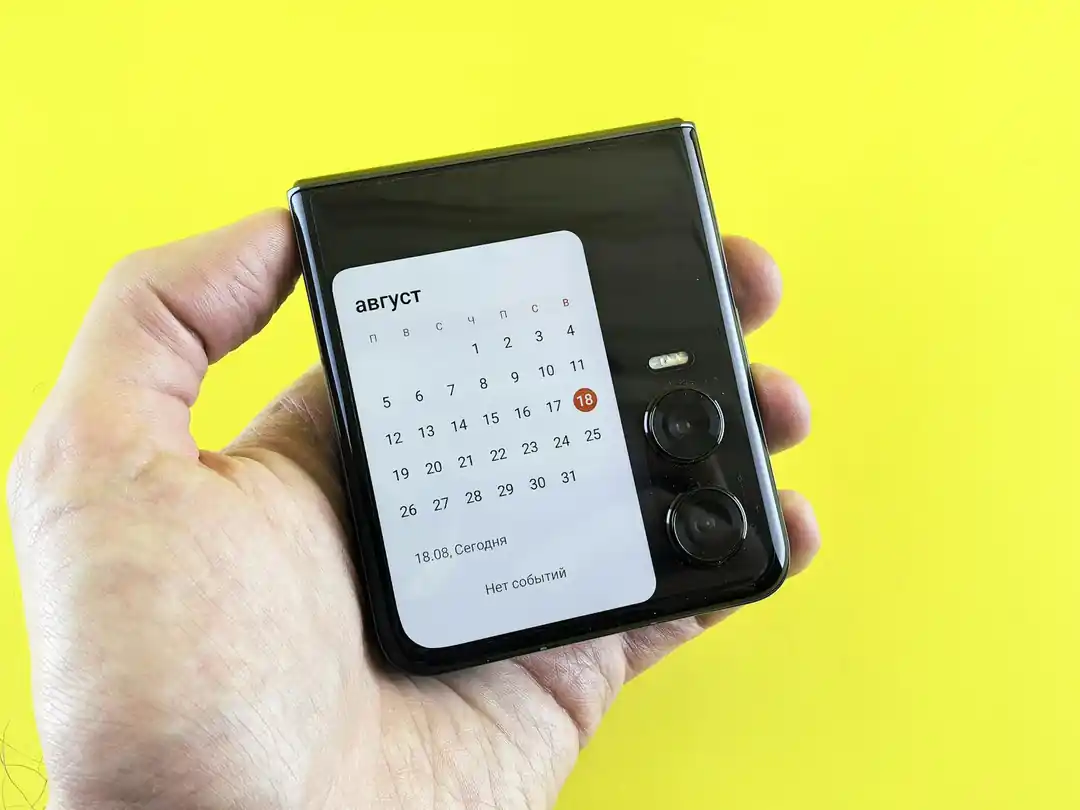
From Fragile to Formidable: The Surprising Evolution of Foldable Phone Durability
Remember when the idea of folding a smartphone screen in half felt like a disaster waiting to happen? Let's talk about how far they've come, because the story is pretty incredible.

Popular Posts

Beyond Stark White: The Best Interior Paint Colors to Light Up Your New Space

How to Actually Master a New Language on Your Own (No Magic Gene Required)

The Simple Pre-Workout Fueling Strategy That Saved My Long Runs