Ever wonder if the moves you see in the octagon could work in the real world? We're breaking down the essential mixed martial arts skills that provide a practical, powerful foundation for personal safety.
Let’s be honest, the world can feel a bit unpredictable. For many of us, the idea of personal safety isn't just some abstract thought; it’s a real, everyday concern. You watch a UFC fight and see these incredible athletes, masters of their craft, and it’s easy to think of it as pure sport—something that lives and dies in the cage. But I’ve been looking into it, and honestly, the core skills from Mixed Martial Arts (MMA) are some of the most practical tools you can have for real-world self-defense.
This isn't about becoming a professional fighter or looking for trouble. It’s about the opposite. It’s about building the confidence and capability to handle yourself if trouble finds you. I used to think a weekend self-defense seminar was enough, but the reality of a physical confrontation is messy and dynamic. It rarely fits into a neat little box. That’s where the "mixed" in MMA becomes its greatest strength.
The Foundation: Why a Mix is Better Than One
The biggest advantage of MMA for self-defense is right in the name. It blends striking, wrestling, and grappling into a single, cohesive system. A real-life situation is never predictable. It might start with words, lead to a shove, a punch, and could very well end up on the ground. If your training only covers one of these areas, you're left with a massive blind spot.
Think about it. Boxing is fantastic for teaching you footwork and how to throw a punch, but what happens if someone grabs you? Wrestling is brilliant for controlling an opponent, but it doesn't teach you how to deal with strikes. Brazilian Jiu-Jitsu (BJJ) is a lifesaver on the ground, but the goal in a self-defense scenario should always be to get back to your feet and escape. MMA bridges these gaps. It teaches you how to strike effectively, how to defend takedowns, how to control someone in a clinch, and how to get up safely if you fall.
This integrated approach prepares you for the chaos. It trains your mind and body to transition between different ranges of combat seamlessly. The goal isn't to win a "fight" in the sporting sense—there are no rules or referees on the street. The goal is to neutralize the threat and create an opportunity to get away safely. MMA provides the most comprehensive toolkit for that exact purpose.
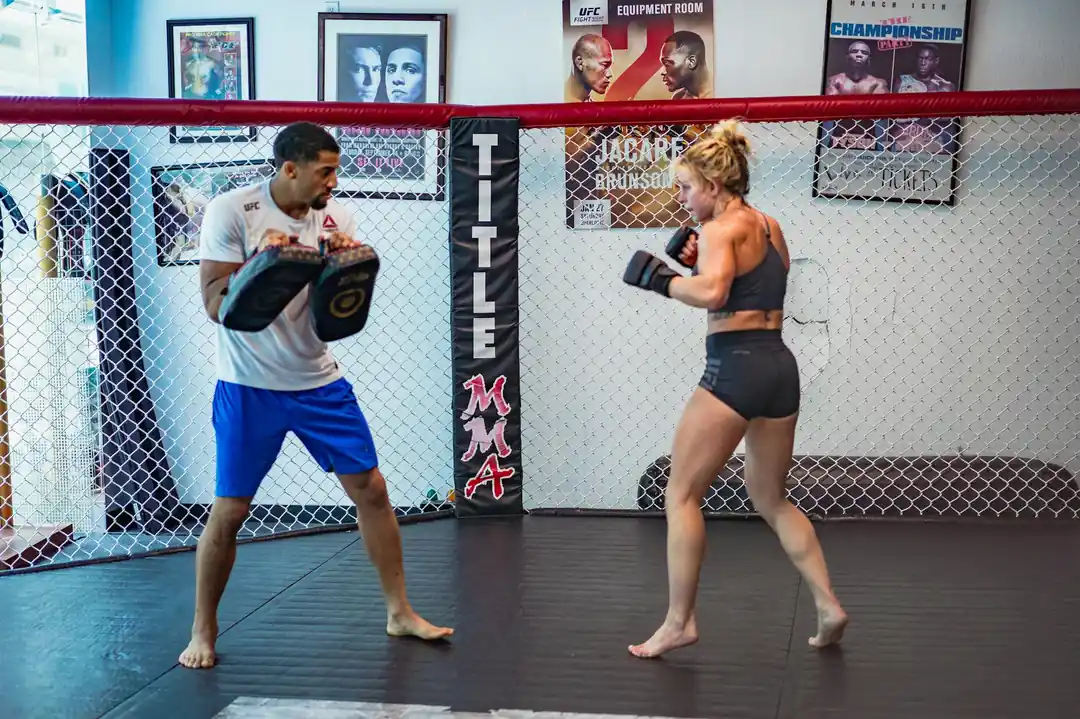
The Striking Essentials: Creating Space and Opportunity
Before anything else, self-defense is about distance management. The most fundamental striking skills borrowed from boxing and Muay Thai are crucial here. Your first priority is to not get hit, and to keep the threat at a safe distance. This is where a good stance and solid footwork come in. It’s not about fancy dancing; it’s about being balanced, mobile, and able to move in any direction to evade an attack or create an escape route.
The jab is your best friend. It’s not a knockout punch, but it’s fast, keeps your opponent at bay, and helps you gauge distance. Following it with a simple cross (the classic 1-2 combination) is often all you need from a striking perspective. It's simple, effective, and doesn't require you to throw risky, looping punches that can leave you exposed.
Muay Thai, or "the art of eight limbs," adds some devastating close-range weapons to your arsenal: elbows and knees. In a real confrontation, the distance can close in an instant. If someone is grabbing or rushing you, a powerful knee to the body or a sharp elbow can be a fight-ender. These techniques are perfect for tight spaces and are incredibly powerful, often doing more damage than a punch.
The Clinch and The Ground: Surviving the Worst-Case Scenario
Many people, especially those without training, instinctively try to grab and hold on in a fight. This is where wrestling and clinch work become invaluable. Learning how to control an opponent’s posture when they get a hold of you prevents them from hitting you effectively and stops them from taking you down to the ground. A strong clinch can neutralize a bigger, stronger attacker and allow you to land those close-range knees we just talked about.
However, the reality is that many fights end up on the ground, and this is a terrifying place to be if you're unprepared. This is where the skills from Brazilian Jiu-Jitsu are non-negotiable. The number one rule of BJJ for self-defense is simple: get back to your feet. It’s not about learning fancy submissions to show off. It’s about survival.
You need to know how to escape from the worst possible positions, like having someone mounted on top of you. Learning how to "shrimp" (using your hips to create space) and perform a technical stand-up (a way of getting to your feet while still protecting yourself from strikes) are two of the most important skills you can ever learn. They give you a clear, repeatable path from a position of disadvantage back to safety.
The Most Important Skill: Mindset and Awareness
All the physical techniques in the world are useless without the right mindset. The single most important self-defense skill is situational awareness. It’s about paying attention to your surroundings, recognizing potential threats before they escalate, and avoiding dangerous situations altogether. The fight you win is the one you were never in.
Training, especially with live sparring, does something incredible for your mental state. It teaches you how to stay calm under pressure. When you’ve had someone trying to control you or strike at you in a safe, controlled environment, you build a resilience to the adrenaline and panic that can paralyze you in a real situation. You learn to think clearly when your heart is pounding.
This builds a quiet confidence that changes how you carry yourself. You walk with more purpose and less fear. This isn't arrogance; it's a calm self-assurance that potential aggressors can often sense, making you a less appealing target. Ultimately, the goal of learning these skills isn't to become a fighter. It's to build a life where you never have to be one. It's about giving yourself the tools, both physical and mental, to walk through the world with a little more peace of mind.
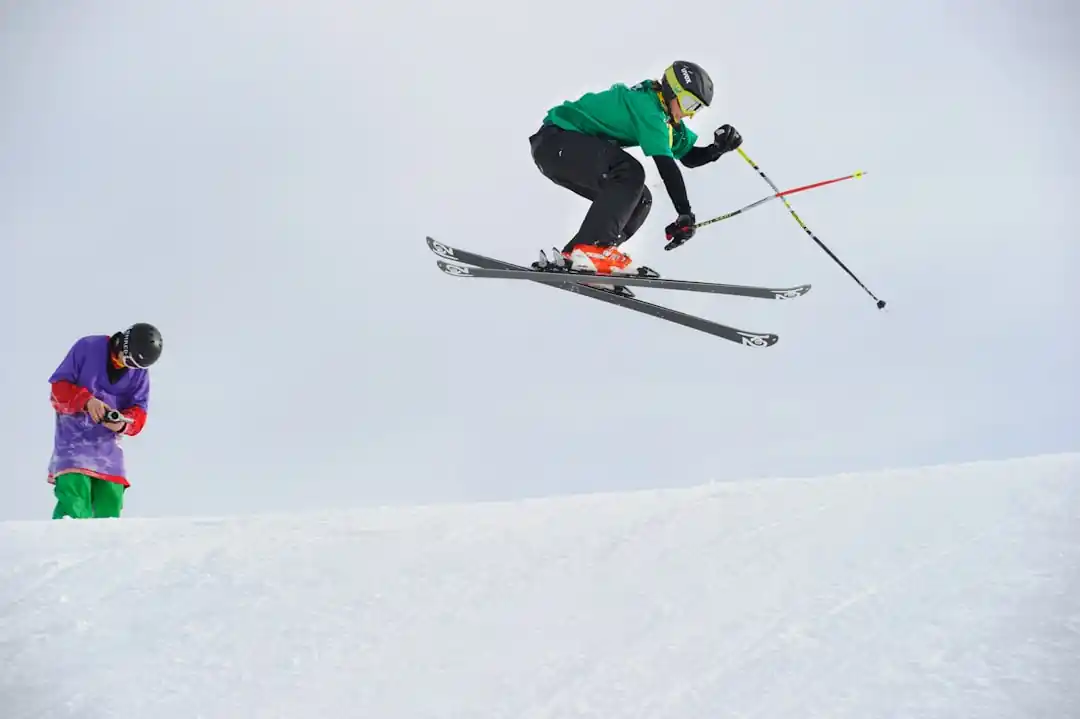
From Slopes to Air: A Beginner's Guide to Your First Freestyle Ski Tricks
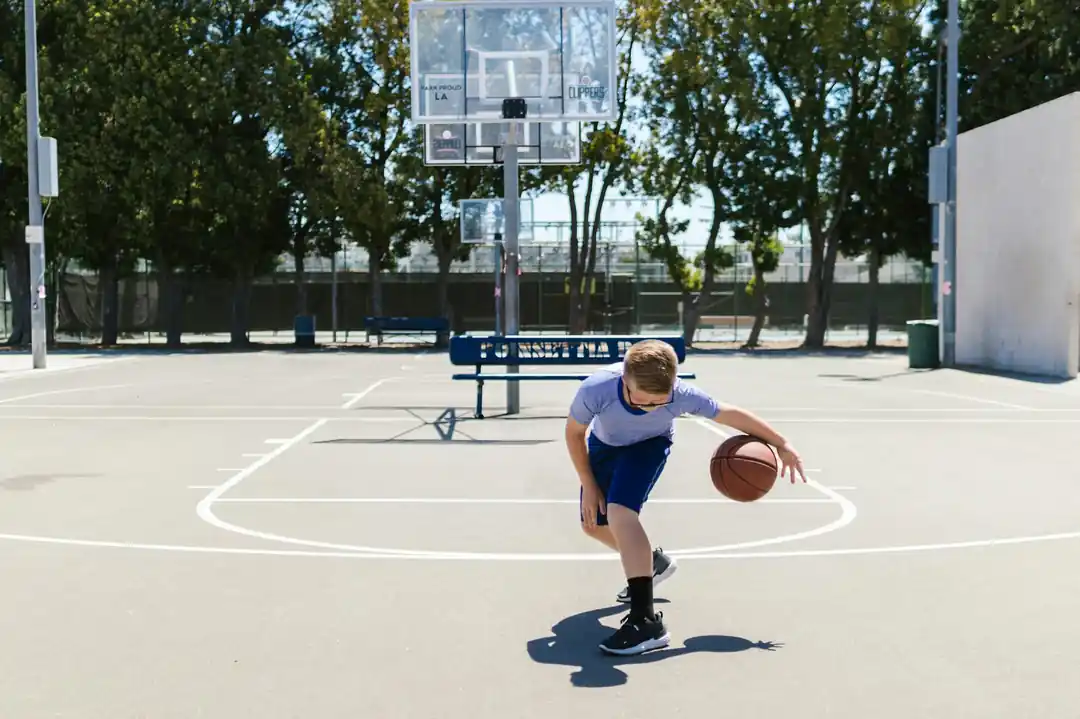
The Backyard Bounce: Fun & Simple Dribbling Drills for Young Hoopsters
Related Posts
 NUTRITION
The Simple Pre-Workout Fueling Strategy That Saved My Long Runs
Discover how timing your carbohydrates and embracing simple foods can eliminate mid-workout fatigue and unlock your true endurance potential.
 FITNESS
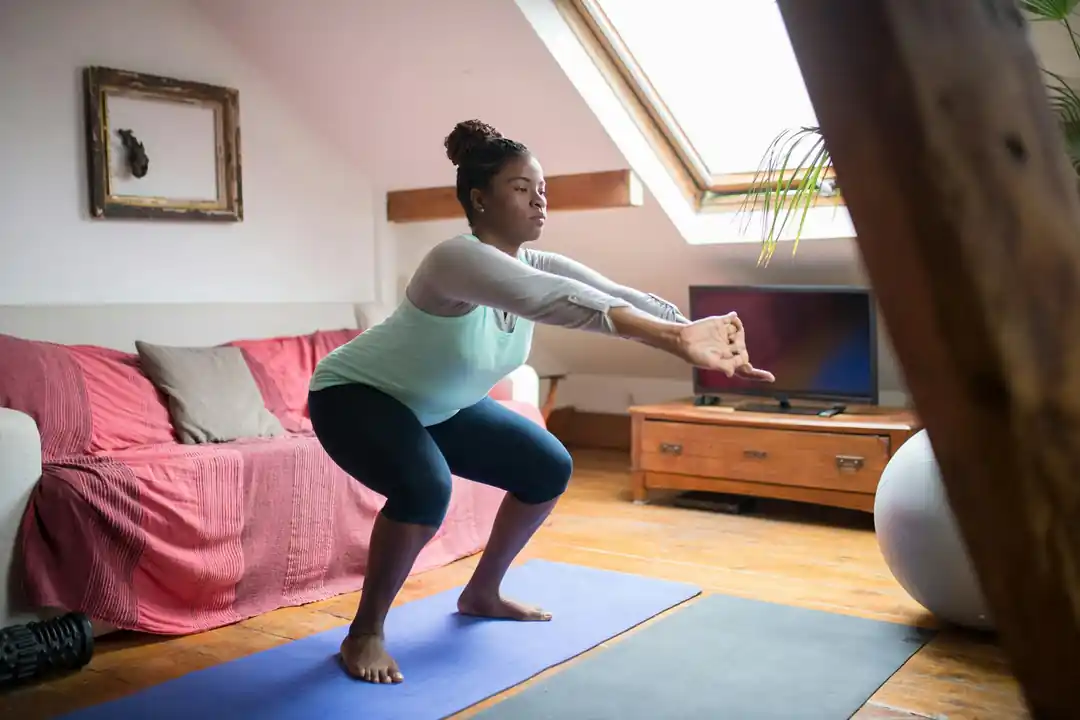
No Gym, No Problem: The Ultimate Guide to Bodyweight Fitness at Home
Forget expensive memberships. Discover how to build serious strength and transform your body using the most powerful tool you already own: yourself.

Popular Posts

Rethinking Non-Profit Promotion: Creative Strategies That Actually Drive Event Impact

Beyond Stark White: The Best Interior Paint Colors to Light Up Your New Space

How to Actually Master a New Language on Your Own (No Magic Gene Required)