Ever wonder how movies make you feel so much? It's not just the actors; it's the silent language of the camera. Let's pull back the curtain on the essential techniques that turn a simple video into cinema.
There’s a certain kind of magic in a truly great film, a magic that goes beyond the script or the performances. It’s in the way a sunrise feels hopeful, a dark room feels menacing, or a character’s subtle glance feels earth-shattering. This is the art of cinematography: the craft of visual storytelling. For a long time, I thought this was some kind of arcane knowledge, accessible only to those with massive budgets and Hollywood connections. But the more I learned, the more I realized that its core principles are really about one thing: making deliberate choices to evoke a specific feeling.
Cinematography is the language of the camera. It’s the sum of every decision made about where the camera is placed, how it moves, what it sees, and how that image is lit and colored. It’s a language that speaks directly to our subconscious, shaping our emotional response to the story frame by frame. You don't need the most expensive gear to start speaking it. In fact, some of the most powerful cinematic moments are born from a deep understanding of the fundamentals, not from the price tag of the equipment.
So, whether you're shooting on a high-end cinema camera or just the phone in your pocket, these essential techniques are your vocabulary. They are the tools you'll use to stop simply recording events and start telling stories that resonate, that feel, and that stick with an audience long after the credits roll. Let's dive into the foundational pillars that will help you transform your vision into compelling cinema.
The Power of the Frame: Composition and Staging
Before you even think about hitting record, the first decision you make is what to put inside the frame—and what to leave out. Composition is the art of arranging elements to guide the viewer's eye and create a visually balanced and meaningful image. It’s the bedrock of visual storytelling. A strong composition feels right, while a weak one can leave an audience feeling disoriented or disconnected, even if they can't quite put their finger on why.
One of the first rules every aspiring filmmaker learns is the Rule of Thirds. Imagine your frame is divided by two horizontal and two vertical lines, creating nine equal boxes. The principle is to place your key subjects or points of interest along these lines or at their intersections. Instead of dead-centering your subject, which can feel static and a bit like a passport photo, placing them off to the side creates a more dynamic and aesthetically pleasing image. It gives the subject "breathing room" and makes the frame feel more alive and balanced.
But composition goes deeper. Think about using leading lines—natural lines within the environment like roads, fences, or hallways—to draw the viewer's eye towards your subject. Or use framing within a frame, by shooting through a doorway, a window, or between two trees to add depth and context. These techniques don't just make a shot look "good"; they serve the narrative. A character framed in a doorway might feel trapped or about to make a significant entrance. It’s all about using the visual space to add another layer of meaning.
Painting with Light: The Mood of Illumination
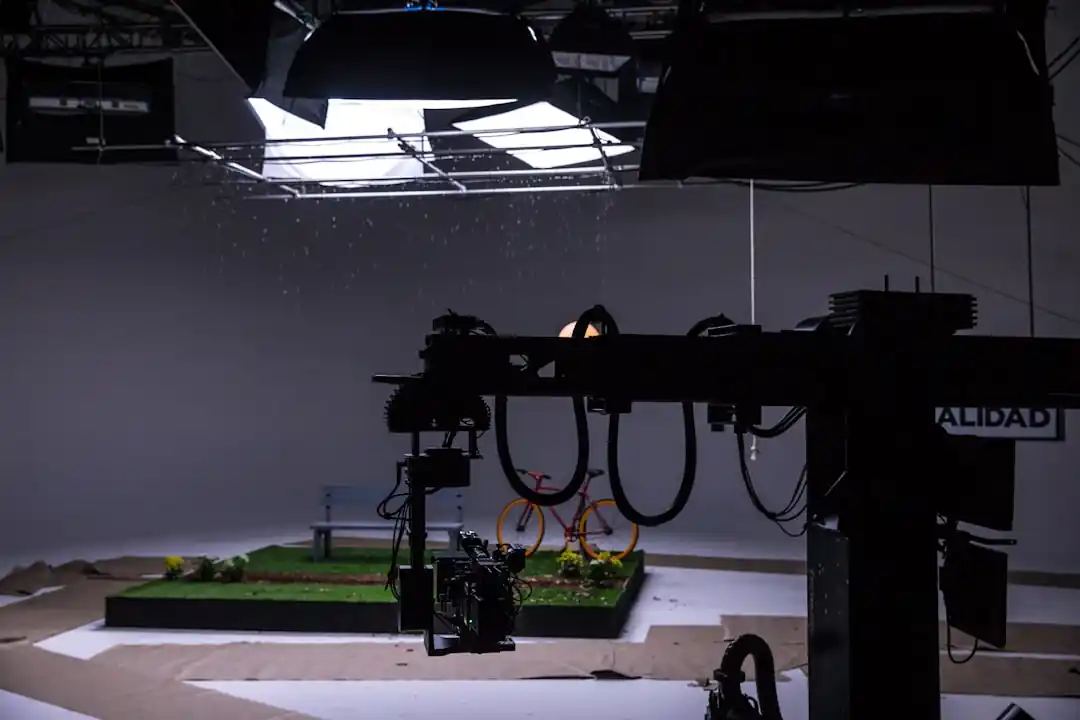
Light is everything in cinematography. It dictates the mood, reveals character, and directs attention. It’s the difference between a flat, lifeless image and one that is rich with depth and emotion. While professional lighting kits are a world unto themselves, understanding the basic principles can be applied even when you're just using a window and a desk lamp. The key is to think about what purpose the light is serving.
The most fundamental setup is three-point lighting. This consists of a Key Light, the main, brightest light source on your subject; a Fill Light, a softer light that "fills in" the shadows created by the key light to control contrast; and a Backlight, which hits the subject from behind to separate them from the background, creating a subtle outline. This setup instantly gives your subject dimension and a professional polish. You can create this with dedicated lights or get creative with household lamps, whiteboards for fill, and any small light source for a backlight.
Beyond the technical setup, think in terms of lighting styles. High-key lighting is bright and low-contrast, with very few shadows. It creates a feeling of optimism, happiness, and openness, which is why you see it so often in comedies and commercials. On the other hand, low-key lighting embraces deep shadows and high contrast. It’s dramatic, mysterious, and tense, making it the go-to style for thrillers, horror, and film noir. The choice between them fundamentally alters the psychological tone of your scene.
The Silent Narrator: Camera Movement and Angles
How your camera moves—or doesn't move—is one of the most powerful storytelling tools you have. A static camera can create a sense of stability or claustrophobia, while a moving camera can inject energy, reveal information, and create a deep sense of immersion. Every movement should be motivated by the story and the emotional state of the characters.
Let's start with camera angles. Shooting a character from a low angle (looking up at them) makes them feel powerful, dominant, or intimidating. Conversely, a high angle (looking down) can make a character seem vulnerable, small, or trapped. An eye-level shot feels neutral and relatable, as if we are in the room with them. These choices subtly influence the audience's perception of power dynamics within the scene.
Then there's movement. A pan (pivoting horizontally) or a tilt (pivoting vertically) can be used to follow a character or reveal a landscape. A tracking shot or dolly shot, where the camera physically moves alongside the subject, creates a feeling of momentum and intimacy; we are on the journey with them. For a raw, chaotic feeling, nothing beats a well-executed handheld shot, which can put the audience directly into the frantic headspace of a character. Each movement has a different energy, and choosing the right one is key to controlling the rhythm and feel of your film.
The Psychology of Color: Grading and Temperature
Color is a deeply emotional component of cinematography. The palette you choose can instantly communicate a story's tone, setting, and psychological undercurrents. This is achieved through production design, lighting gels, and, most accessibly, through digital color grading in post-production. Even subtle shifts in color can have a huge impact on how an audience feels.
Think about color temperature. Warm colors—reds, oranges, yellows—tend to evoke feelings of happiness, love, and comfort. Think of the golden-hour glow in a romantic scene. Cool colors—blues, greens, grays—can create a sense of sadness, isolation, or unease. This is why so many sci-fi and horror films lean into a cold, desaturated look. A filmmaker might use a warm, nostalgic color palette for flashback scenes to contrast with a colder, harsher palette in the present day.
This is also where you can develop a unique visual signature. Some directors are famous for their color palettes. Wes Anderson's films are known for their vibrant, symmetrical, and often pastel-colored worlds, which contributes to their quirky, storybook feel. David Fincher, on the other hand, often uses a desaturated, moody palette with hints of sickly greens and yellows to create a sense of urban decay and moral ambiguity. Color isn't just decoration; it's a narrative tool.
The Technical Details: Frame Rate and Shutter Speed
Finally, let's touch on a technical but crucial aspect that defines the "look" of your film: the relationship between frame rate and shutter speed. Frame rate is the number of individual images (frames) captured per second. The cinematic standard is 24 frames per second (fps). This rate creates a subtle motion blur that our brains associate with the dreamlike quality of movies. Shooting at a higher frame rate, like 60 fps, results in hyper-realistic, smooth motion, which is why it's often used for sports or video games, but can feel jarringly "real" for a narrative film.
The 180-degree shutter rule is a guideline that helps you achieve that natural, cinematic motion blur. It states that your shutter speed should be double your frame rate. So, if you're shooting at 24 fps, your shutter speed should be 1/48th of a second (or the closest setting, which is usually 1/50). This relationship creates an image that is neither too blurry nor too sharp, but feels just right. While rules are meant to be broken for creative effect (a fast shutter speed can create a choppy, chaotic look perfect for an action scene), understanding this baseline is fundamental to controlling the texture of your image.
Ultimately, cinematography is a lifelong learning process. It’s about developing your eye, understanding the tools at your disposal, and, most importantly, constantly asking yourself: "What am I trying to make the audience feel?" Start by paying attention to these techniques in the films you love. Then, pick up your camera and experiment. Don't be afraid to try things and fail. Every shot is a new opportunity to learn the language of the camera and to tell your story with intention and impact.

Drive-Thru Dreams: How to Elevate Fast Food Favorites at Home
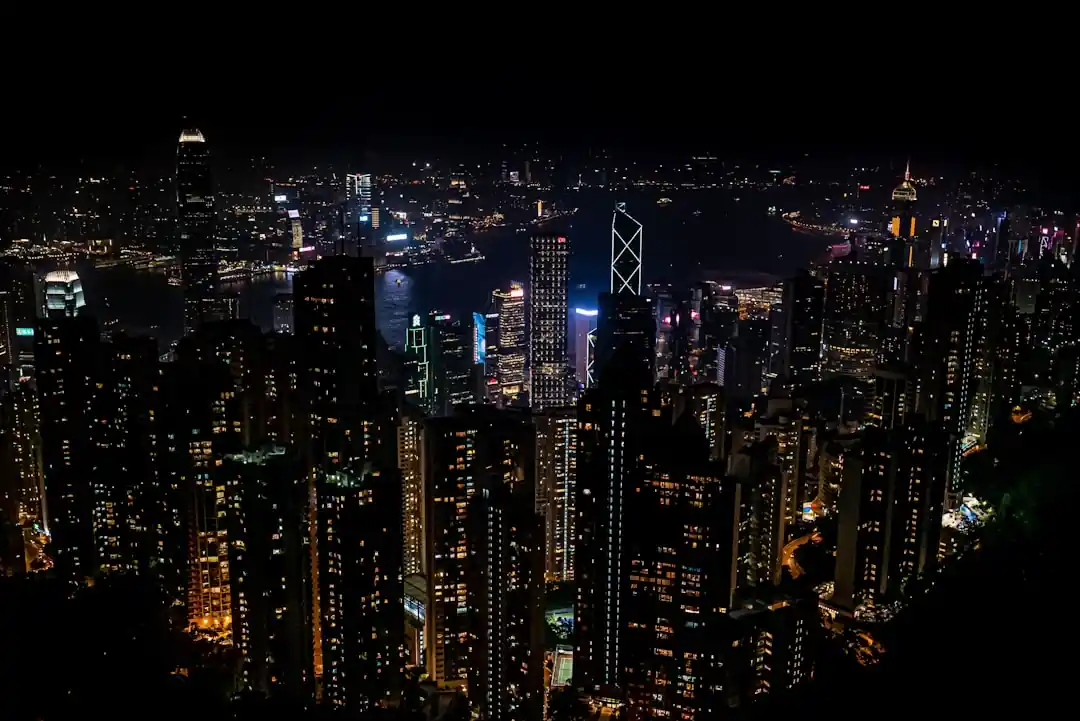
Hong Kong on a Dime: 8 Unforgettable Experiences That Cost Absolutely Nothing
Related Posts
 HOBBIES
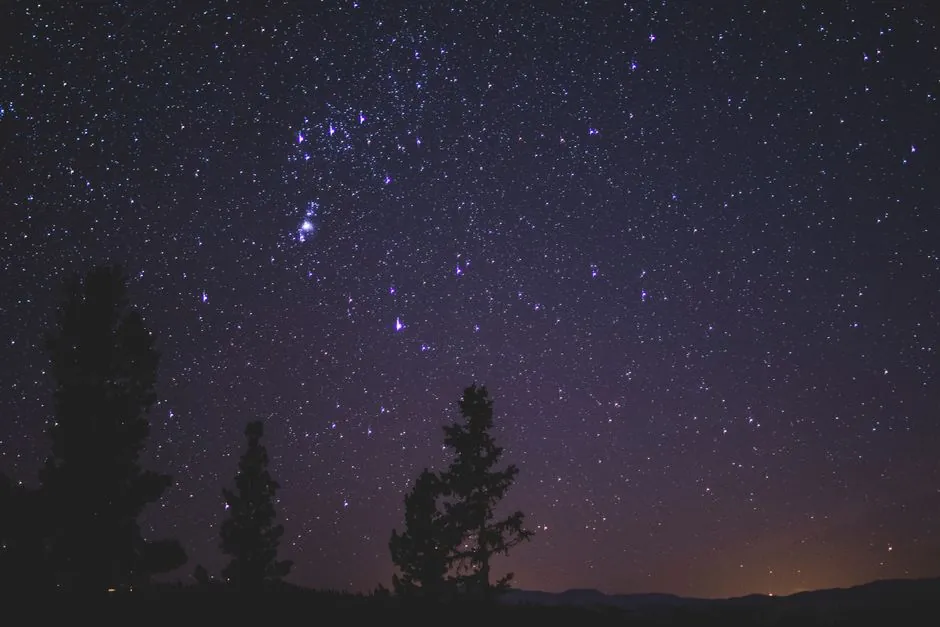
The Beginner's Guide to Reading the Night Sky: How to Spot Your First Constellations
A friendly, grounded guide to navigating the night sky, understanding stellar movements, and spotting iconic constellations without expensive gear.
 PETS
PETSSniffle-Free Snuggles: America's Most-Loved Hypoallergenic Dogs
Dreaming of a furry friend but dreading the sneezes? You're not alone. Let's dive into the wonderful world of popular hypoallergenic dog breeds in the US.

Popular Posts

Rethinking Non-Profit Promotion: Creative Strategies That Actually Drive Event Impact

Beyond Stark White: The Best Interior Paint Colors to Light Up Your New Space

How to Actually Master a New Language on Your Own (No Magic Gene Required)
