Ever watch a player and wonder how the ball seems glued to their feet? It’s not magic. It’s dedicated practice, and I’m sharing the drills that will completely transform your game.
There's a certain kind of magic you see on a soccer field. It’s not just the stunning goals or the acrobatic saves. It’s in the quiet moments—the way a midfielder receives a blistering pass and stops it dead, as if the ball was a feather landing on a pillow. It’s the way a forward weaves through a forest of defenders, the ball seemingly tethered to their cleats by an invisible string. For years, I watched players like that and just assumed they were born with that gift. A natural talent that I, a mere mortal, could only admire from afar.
But what if I told you it’s not a gift? What if it’s a skill, forged through hours of deliberate, focused practice? I went down a rabbit hole recently, digging through coaching manuals and player interviews, and the answer was staring me right in the face. That mesmerizing ball control is built, touch by touch, drill by drill. It’s accessible to anyone willing to put in the work. It’s about developing a relationship with the ball, learning its language until it becomes an extension of your own body.
This realization changed everything for me. It shifted my focus from wishing for talent to building a skill. And that’s what we’re going to dive into today. Forget the complex, professional-level training regimens. We’re going back to the basics with simple, profoundly effective drills that will lay the foundation for the kind of ball control you’ve always dreamed of.
The Foundation: Why Juggling is Non-Negotiable
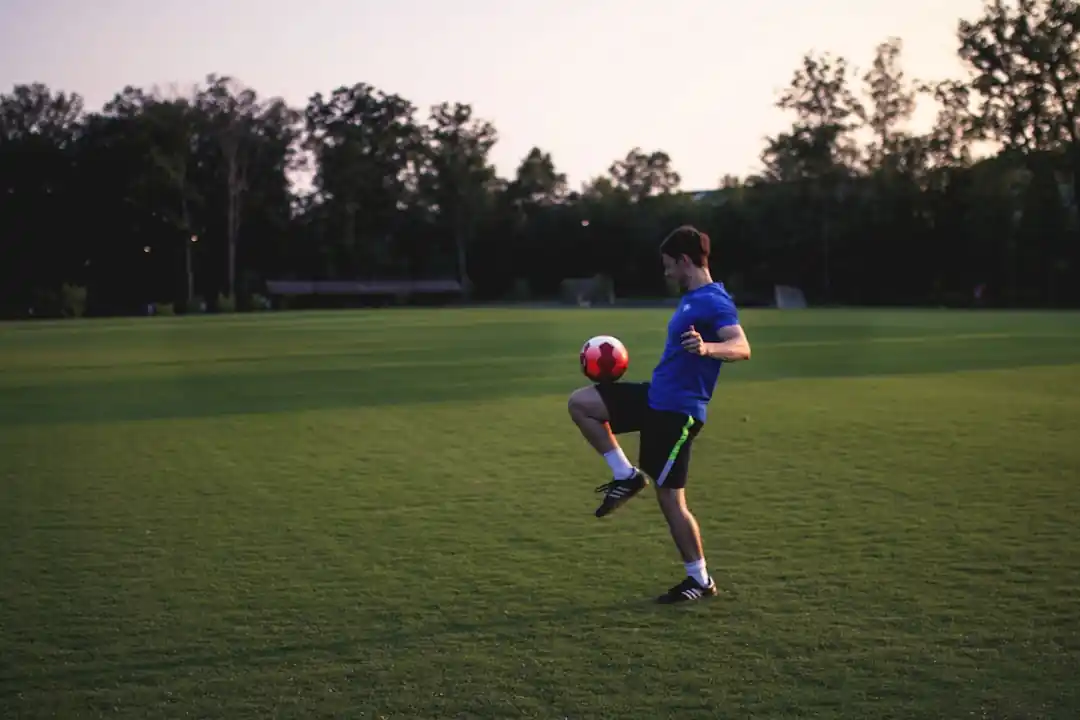
Honestly, if there's one drill that nearly every top player credits for their touch, it's juggling. I know, it can feel a bit like a party trick at first, and the initial frustration of only getting two or three touches before the ball drops is real. I’ve been there. But stick with it, because what’s happening in those moments is incredible. You’re teaching your body to make thousands of micro-adjustments. You’re learning how the ball reacts to different parts of your foot, how much power is too much, and how to develop that soft, cushioned touch.
Start with the basics. Just drop the ball and try to kick it back up to your hands. Then try for two kicks. Then three. Don't worry about using both feet yet; just get comfortable on your dominant side. The goal here isn't to look like a freestyle champion overnight. The goal is to get touches. Hundreds of them. As you get more comfortable, challenge yourself. Try alternating feet. See how many you can get using only your thighs. This constant contact is what builds that intuitive feel for the ball, a skill that translates directly into a better first touch during a game.
Think of it as learning a new language. At first, you’re just memorizing words (one touch, two touches). But soon, you start forming sentences (ten, twenty touches in a row). Before you know it, you’re having a full-blown conversation with the ball, anticipating its every move. That’s the foundation of elite ball control.
Weaving the Magic: Cone Drills for Close Control
Once you start getting comfortable with your touch, it's time to get the ball moving on the ground. This is where cones become your best friend. You don’t need anything fancy—a few water bottles, shoes, or anything you can use as a marker will do the trick. The purpose of cone drills is to force you to keep the ball close, make sharp turns, and use different parts of your feet under controlled circumstances.
Start with a simple straight-line weave. Set up five or six cones in a line, about two feet apart. Your mission is to dribble through them, weaving in and out. The key here is the number of touches. You should be taking a small touch with the inside of your foot, then the outside, constantly guiding the ball. Try to resist the urge to just kick the ball past the cone and run after it. The goal is to keep it within playing distance at all times. As you get better, you can pick up the pace, but control is always the priority over speed.
Ready to level up? Try the same drill using only your right foot, then only your left. This is where you’ll really feel your weaknesses, and that’s a good thing! It’s highlighting exactly what you need to work on. Then, set the cones up for figure-eight drills. This pattern forces you to make tight turns and shift your body weight, simulating how you’d move to protect the ball from a defender. These aren't just mindless exercises; you are programming your muscles and your mind to handle the ball with precision in tight spaces, a scenario that happens constantly in a real game.
Mastering the First Touch: The Skill That Separates Good from Great
You can have the fanciest footwork in the world, but if your first touch is poor, you’ll lose the ball before you even have a chance to use it. A good first touch is about more than just stopping the ball; it’s about directing it into a space where you can make your next move, whether that’s a pass, a shot, or a dribble. It’s about turning a defensive situation into an attacking one with a single, fluid motion.
One of the best ways to practice this is with a partner or against a wall. Stand a few yards away and have your partner pass the ball to you on the ground. As the ball comes, your goal isn't just to stop it, but to use your first touch to push it slightly to your left or right, into open space. The idea is to take a touch that sets you up for your next action, eliminating the need for a second, clumsy touch to get the ball under control. Practice receiving with the inside of your foot, the outside, and even the sole.
Vary the passes. Have them come at different speeds and from different angles. If you’re practicing alone, a brick wall or a rebounder is an invaluable tool. Pass the ball against it and work on controlling the rebound. As you improve, start taking a look over your shoulder before the ball arrives. This simulates game awareness, getting you into the habit of knowing what’s around you before you even receive the pass. A great first touch gives you that extra split second of time and space, and in soccer, a split second is an eternity.
The journey to mastering ball control is a marathon, not a sprint. It’s built on a foundation of consistent, mindful practice. It’s about showing up, even for just 15 minutes a day, and getting your touches in. Don’t be discouraged by slow progress. Every juggle, every cone weave, every first touch drill is a deposit in your skill bank. Trust the process, embrace the repetition, and soon you’ll be the one on the field making that little bit of magic happen.
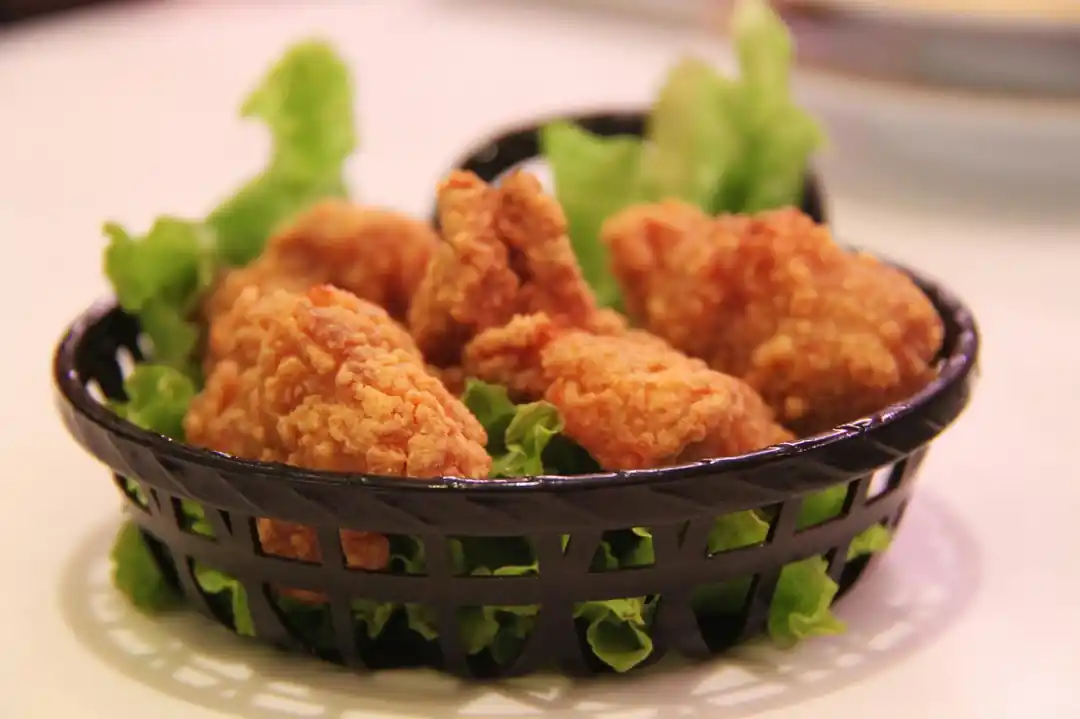
Your First Perfect Batch: A Beginner's Guide to Classic Southern Fried Chicken
That Pile of Unfiled Taxes? Let's Finally Tackle It Together

Related Posts
 HOBBIES
The Beginner's Guide to Reading the Night Sky: How to Spot Your First Constellations
A friendly, grounded guide to navigating the night sky, understanding stellar movements, and spotting iconic constellations without expensive gear.
 PETS
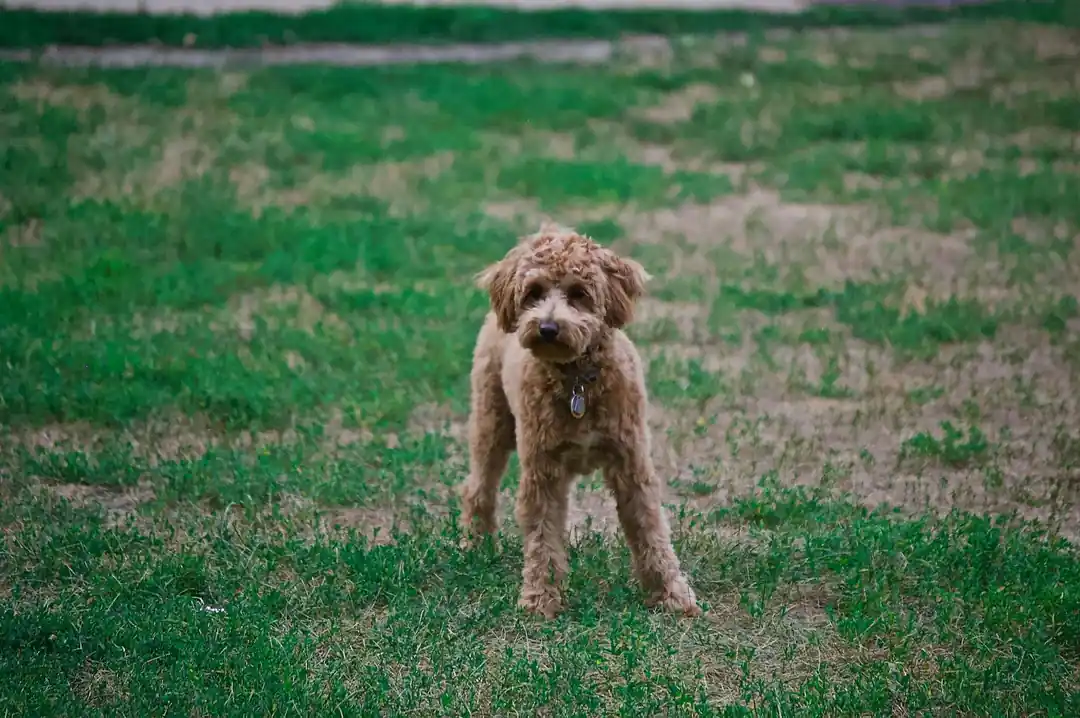
PETSSniffle-Free Snuggles: America's Most-Loved Hypoallergenic Dogs
Dreaming of a furry friend but dreading the sneezes? You're not alone. Let's dive into the wonderful world of popular hypoallergenic dog breeds in the US.

Popular Posts

Rethinking Non-Profit Promotion: Creative Strategies That Actually Drive Event Impact

Beyond Stark White: The Best Interior Paint Colors to Light Up Your New Space

The Simple Pre-Workout Fueling Strategy That Saved My Long Runs