In the world of digital reading, two screen technologies reign supreme: E-Ink and OLED. But which one is truly better for your eyes, your battery, and your sanity? Let's dive in.
There’s something almost sacred about getting lost in a good book. It’s a quiet rebellion in a world that’s constantly screaming for our attention. But these days, even that sacred space has a modern dilemma attached to it: what screen should you be reading on? On one hand, you have the dazzling, vibrant colors of an OLED screen—the kind that makes your smartphone and tablet look so stunning. On the other, you have the calm, paper-like surface of an E-Ink display, the heart and soul of dedicated e-readers.
Honestly, for years I just used my phone for everything. It was convenient, always with me, and the screen was sharp. But I started noticing a pattern. After an hour of reading before bed, my eyes would feel gritty and tired, and my brain would feel… buzzy. It wasn't the relaxing escape I was looking for. That’s when I fell down the rabbit hole of screen technology, and what I found was a game-changer.
Choosing between E-Ink and OLED isn't just a tech-nerd debate. It’s about ergonomics for your eyes, about battery life that frees you from the wall socket, and about creating a focused environment for the simple pleasure of reading. They are two fundamentally different ways of looking at a screen, and understanding that difference is the key to picking the right tool for your reading life.
The Magic of E-Ink: A Love Letter to Your Eyes
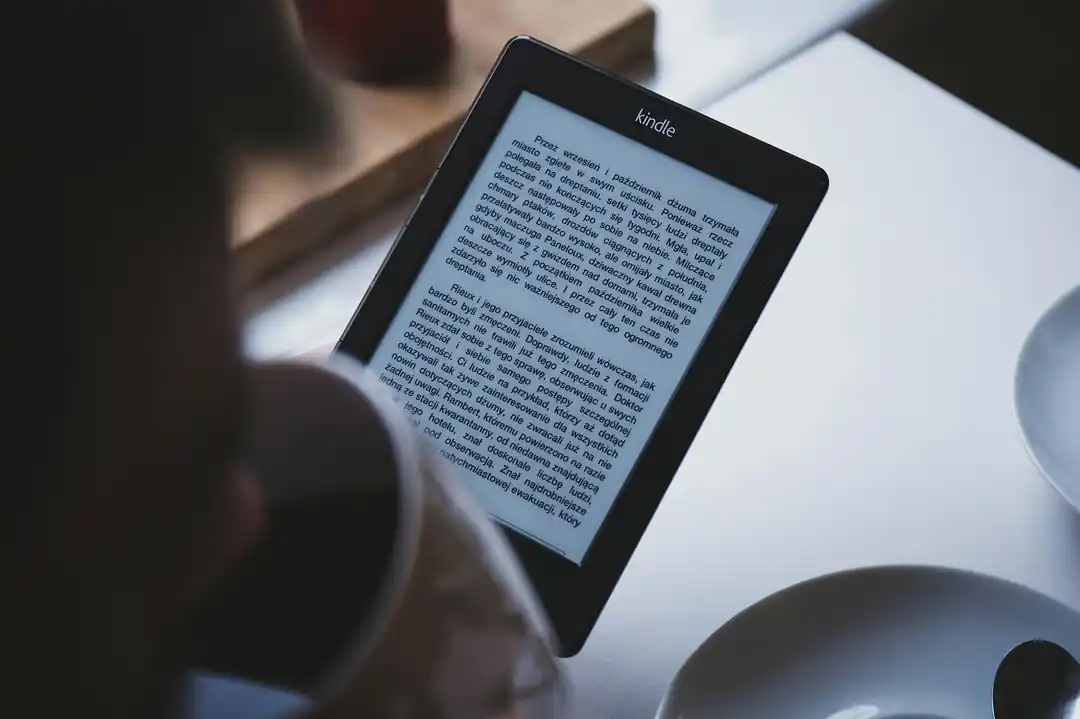
The core of the debate really comes down to how these screens produce an image. E-Ink is what’s known as a reflective display. It uses tiny microcapsules filled with black and white particles that are rearranged with an electric charge to form text and images. Once the page is "set," it requires zero power to hold the image there. More importantly, it doesn’t generate its own light. Instead, it reflects the ambient light in the room, just like a page in a physical book.
This is, without a doubt, E-Ink’s superpower. Reading on an E-Ink screen is fundamentally more comfortable for our eyes over long periods because you’re not staring into a light source. Think about reading a book outside on a sunny day—the brighter the sun, the clearer the page. E-Ink works the same way, making it the undisputed champion of outdoor, bright-light reading. OLED screens, by contrast, become washed out and full of glare.
For nighttime reading, modern e-readers use a frontlight, not a backlight. Instead of shining a light from behind the display and directly into your eyes (like OLEDs do), they have small LEDs around the bezel that cast a soft, even glow across the surface of the screen. This indirect illumination dramatically reduces eye strain and exposure to the kind of harsh blue light that can mess with your sleep cycle. It’s a gentler, more natural way to read in the dark, and your eyes will absolutely thank you for it.
The Vibrant World of OLED: A Double-Edged Sword
OLED (Organic Light Emitting Diode) screens are emissive displays. Each individual pixel is its own tiny light source that can be turned on or off independently. This is what gives OLEDs their famous "infinite" contrast, with perfect, inky blacks right next to incredibly bright, vibrant colors. For watching movies, scrolling through photos, or playing games, the experience is second to none. The world on an OLED screen feels alive and dynamic.
However, that very strength becomes a weakness when it comes to long-form reading. Because it’s an emissive, backlit technology, you are always, by definition, staring directly into a grid of millions of tiny lightbulbs. Even with features like "dark mode" or blue light filters, the fundamental mechanism is unchanged. Your eyes are constantly processing direct light, which is simply more taxing than processing reflected light.
This is why your phone or tablet screen can feel so fatiguing after a while. The constant, subtle flicker (even at high refresh rates) and the direct light emission contribute to what we call digital eye strain. Furthermore, the versatility of an OLED device is a distraction in itself. The temptation to quickly check an email, reply to a text, or scroll through social media is always just a swipe away, pulling you out of the deep focus that immersive reading requires.
The Verdict: It’s Not a Competition, It’s a Choice
So, which is better? The truth is, it’s the wrong question. The right question is, "What is the best tool for the job?"
If you are a dedicated reader who consumes novels, non-fiction, and articles for hours at a time, an E-Ink e-reader is an investment in your comfort and focus. Its paper-like readability, freedom from eye strain, and frankly absurd battery life (we’re talking weeks, not hours) make it a specialized tool that excels at its one job. It creates a sanctuary for reading, free from the glare, eye fatigue, and notifications of a multi-purpose device.
If you are a more casual reader, or if your reading habits involve a lot of graphically rich content like comics, magazines, or web articles interspersed with videos and other media, then a high-quality OLED tablet or smartphone is the more versatile choice. You sacrifice some reading comfort and battery life, but you gain a device that can do everything else brilliantly.
For me, the solution was to embrace both. I have my phone for the quick-hit articles and the endless scroll of the web. But when I truly want to read, to sink into a story and forget the world, I pick up my E-Ink reader. It feels like a deliberate, mindful choice—a signal to my brain that it’s time to slow down, focus, and just enjoy the words on the page. And my eyes have never been happier.
Git vs. SVN: Unpacking the Version Control Showdown
The Tiny Brain in Your Phone: What is an NPU and Why Does It Matter?
Related Posts
 MOBILE
The Great Console Debate: How to Choose the Right Gaming System for Your Family
Feeling stuck between a Switch, a PlayStation, and an Xbox? Let's break down which gaming console is the perfect fit for your family's game nights.
 MOBILE
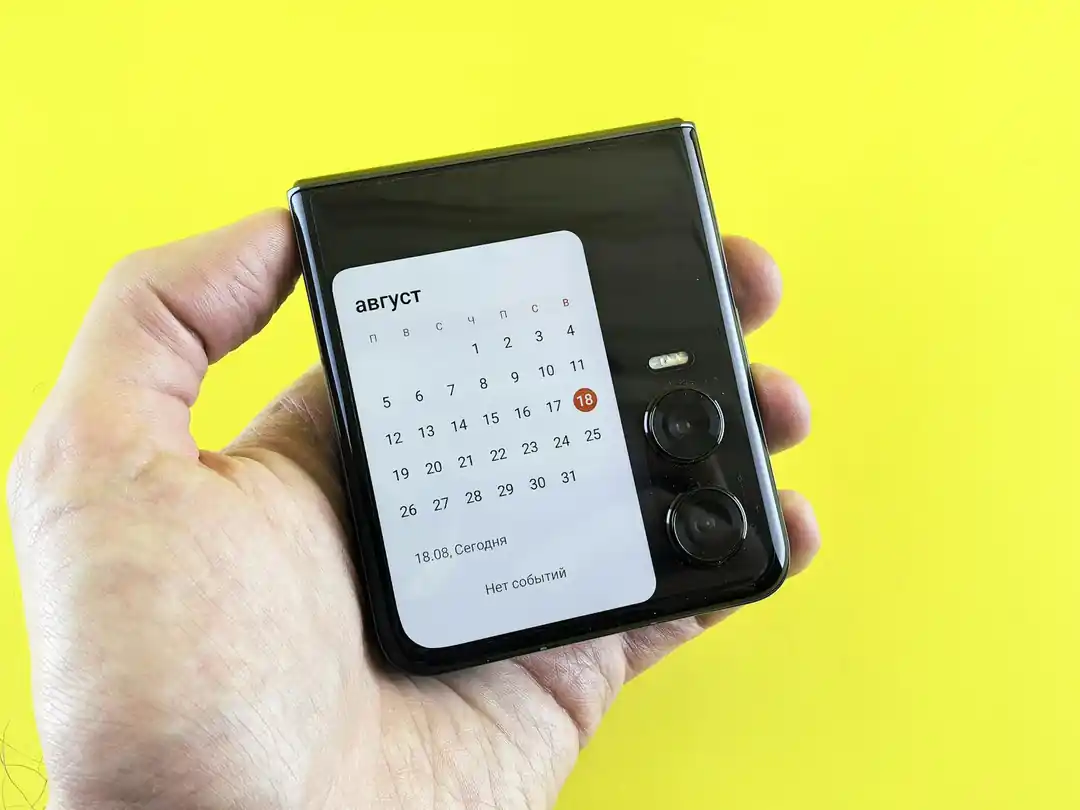
From Fragile to Formidable: The Surprising Evolution of Foldable Phone Durability
Remember when the idea of folding a smartphone screen in half felt like a disaster waiting to happen? Let's talk about how far they've come, because the story is pretty incredible.

Popular Posts

Rethinking Non-Profit Promotion: Creative Strategies That Actually Drive Event Impact

Beyond Stark White: The Best Interior Paint Colors to Light Up Your New Space

How to Actually Master a New Language on Your Own (No Magic Gene Required)
