Climate Change Isn't a Monologue: Speaking the Language of a Global Crisis
Ever wonder how 'carbon footprint' translates in Tokyo? The words we use for climate change shape our reality. Let's explore the challenge and beauty of talking about our planet in a thousand different tongues.
I was sitting in a small cafe in Seoul a few years back, trying to explain to the owner, a lovely woman in her late sixties, that I didn't want a plastic straw. My Korean was clumsy, a patchwork of phrases I’d stitched together from apps and phrasebooks. After a few failed attempts, I finally mimed sipping from a cup and then shook my head, pointing at the plastic dispenser. A look of understanding dawned on her face. She smiled, nodded, and said something that, while I didn't understand the words, felt like a shared moment of clarity. We didn't speak the same language, but for a second, on the tiny issue of a plastic straw, we understood each other perfectly.
That moment comes back to me often when I think about climate change. It’s this enormous, planet-sized challenge, and we’re all trying to talk about it. But are we truly speaking the same language? The terms we use in the U.S.—"climate change," "global warming," "carbon footprint"—are so ingrained in our discourse that we assume they have universal meaning. The reality, I've learned, is far more complex and, honestly, far more interesting. The way different cultures translate these concepts reveals so much about their relationship with the environment and their unique place in this global crisis.
It’s not just about direct translation; it’s about cultural interpretation. What does "sustainability" mean in a country with a centuries-old tradition of living off the land versus in a hyper-urbanized metropolis? How does the urgency of "sea-level rise" land in a landlocked nation compared to a low-lying island? Exploring this linguistic landscape isn't just an academic exercise. It’s a vital part of building the empathy and universal understanding we desperately need to act as one.
The Weight of Warming: "Global Warming" vs. "Climate Change"
Here in the States, we often use "global warming" and "climate change" interchangeably. Scientifically, though, they're distinct. "Global warming" refers specifically to the long-term heating of the planet caused by human activities. "Climate change" is the broader umbrella, covering the whole gamut of effects that warming has, from melting glaciers to more violent hurricanes and unpredictable weather patterns. It’s a subtle but important distinction.
When you take these terms abroad, the nuances multiply. In German, the word is Klimawandel, which translates literally to "climate change." It’s a direct, powerful term that feels very much in line with the German penchant for precision. In Spanish, you'll often hear calentamiento global ("global warming"), which centers the conversation squarely on the issue of heat. But what’s fascinating is how these discussions are framed. A 2019 study I came across noted that in many languages, finding a culturally appropriate equivalent that carries the same weight of urgency is a major challenge for translators.
This is especially true in indigenous communities. For the Marshallese people in the Pacific, whose islands are existentially threatened by rising seas, there is no traditional word that separates "climate" from "weather." Their concept of the environment is holistic, a continuous flow. The introduction of a term like "climate change" requires a deep, contextual explanation that honors their worldview. It’s a powerful reminder that our scientific lexicon, born from a Western perspective, isn't always a perfect fit for the rest of the world.
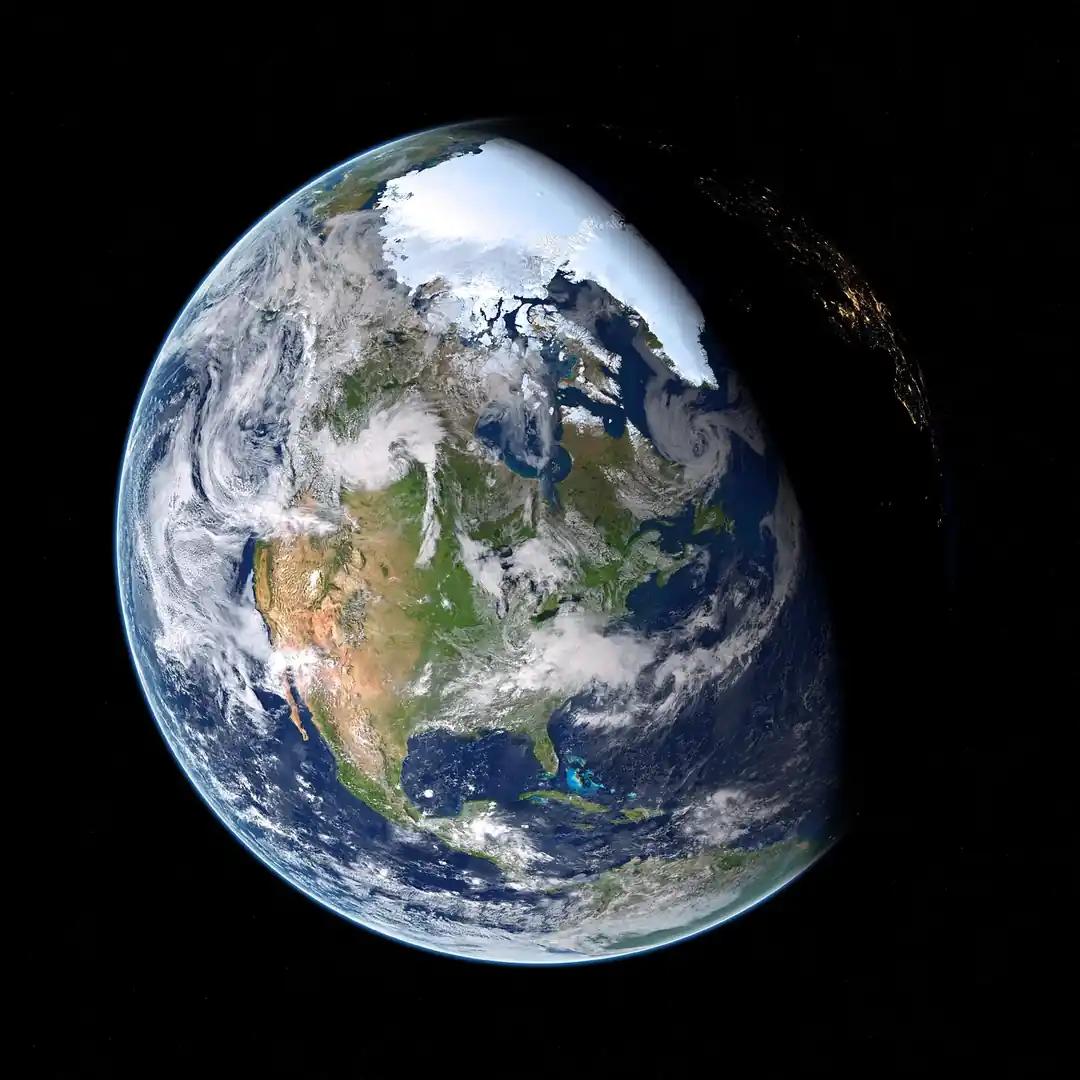
Footprints and Offsets: The Language of Personal Responsibility
Lately, the conversation around climate has shifted towards individual action, bringing terms like "carbon footprint" and "sustainability" to the forefront. A "carbon footprint" is the total amount of greenhouse gases generated by our actions. It’s a powerful metaphor, painting a picture of the mark we leave on the planet. In many cultures, however, the focus on the individual can feel foreign. The very idea of calculating one's personal impact is a concept rooted in Western, individualistic societies.
In Japan, the idea of mottainai (もったいない) offers a different lens. It’s a cultural concept that roughly translates to "what a waste," but it’s much deeper than that. It’s a feeling of regret concerning waste of any kind, whether it's food, time, or resources. It’s not about calculating a footprint but about a mindful, almost spiritual, aversion to wastefulness that is woven into the fabric of daily life. So, while a Japanese person might not talk about their "carbon footprint," the principle of mottainai often guides them toward a more sustainable lifestyle.
Similarly, "sustainability" itself is a word with layers. In English, it’s often associated with corporate reports and green-certified products. But its core meaning—meeting the needs of the present without compromising the ability of future generations to meet their own needs—is a universal human value. In many African languages, this concept is expressed through proverbs and stories that emphasize stewardship and respect for the earth, framing it not as a new trend, but as an ancestral responsibility. It’s a powerful shift in perspective, from something you do to something you are.
A Shared Dictionary for a Shared Future
So where does this leave us? It might seem like a tangled mess of words and meanings, a linguistic barrier to the global cooperation we need. But I see it differently. I see it as an opportunity. When we take the time to understand how another culture talks about the climate, we are doing more than just learning a new word. We are stepping, for a moment, into their world. We are beginning to understand their fears, their values, and their unique relationship with the planet we all share.
The work of organizations like the IPCC, which translates its exhaustive climate reports into all six official UN languages, is monumental. But the real work happens in the everyday conversations, in the news articles, in the classroom lessons. It happens when we move beyond our own echo chamber and listen with genuine curiosity to the diverse ways people are grappling with this crisis.
We don't all need to speak the same language, but we do need to build a shared understanding. We need to appreciate that the fight to save our planet will be articulated in thousands of different tongues, each with its own wisdom to offer. Perhaps the most important climate term of all is one that translates perfectly into every language: hope. And that is a language we can all understand.
Level Up Your Impact: The Best Professional Certifications for Sustainability and Climate Change
How to Talk to Your Kids About Climate Change (Without Scaring Them)
Related Posts
 LANGUAGES
How to Actually Master a New Language on Your Own (No Magic Gene Required)
Discover research-backed self-study strategies to break through fluency plateaus, build real confidence, and learn a new language on your own terms.
 STUDY TIPS
Your Unshakeable Foundation: Understanding the Most Important Legal Rights for US Citizens
Ever wonder what truly protects you as a American citizen? Let's dive into the fundamental legal rights that form the bedrock of our society, making sure you know your power.

Popular Posts

Rethinking Non-Profit Promotion: Creative Strategies That Actually Drive Event Impact

Beyond Stark White: The Best Interior Paint Colors to Light Up Your New Space
How to Actually Master a New Language on Your Own (No Magic Gene Required)
