The Un-Glamorous but Essential Guide to Your Family's Earthquake Kit
Let's be honest, thinking about earthquakes is unsettling. But building a preparedness kit is one of the most empowering things you can do for your family. Here’s how to do it right.
There are certain topics we tend to push to the bottom of our to-do lists, and preparing for a natural disaster is usually one of them. It feels overwhelming, a little scary, and frankly, it’s just not as fun as planning a vacation. But for those of us living in regions where the ground can decide to shake without warning, it’s a conversation we need to have. I used to think a couple of flashlights and some extra batteries were enough. It wasn't until I really sat down and thought about what my family would need—truly need—if we were cut off from services for several days, that the importance of a dedicated earthquake kit hit home.
Building this kit isn't about dwelling on worst-case scenarios. It's about empowerment. It's about taking a stressful, unpredictable event and carving out a small space of control and safety for your family. It’s the peace of mind knowing that you have the essentials covered, so you can focus on what really matters in a crisis: each other. The process can feel daunting, so let's break it down into manageable, thoughtful steps, moving beyond just canned beans and bottled water.
The Core Four: Water, Food, Light, and Information
When the power goes out and the water stops running, these are the pillars that will support your family. Let's not underestimate their importance. The official recommendation from agencies like FEMA is one gallon of water per person, per day. For a family of four, that’s four gallons for just one day. The advice is to have a minimum of a three-day supply, but if you have the space, aiming for a two-week supply for sheltering at home is the gold standard. It seems like a lot, but this water is for more than just drinking; it's for sanitation and cooking, too.
For food, think nutrient-dense, non-perishable, and easy to prepare. Canned meats, fruits, and vegetables are classics for a reason, but also consider protein bars, dried fruit, peanut butter, and comfort foods like crackers or cookies. And please, for the love of all that is good, do not forget a manual can opener. It’s the most frequently forgotten item, and one of the most critical.
Light and information are your connections to the outside world. Have several light sources, not just one. A combination of battery-powered flashlights, LED lanterns, and even a hand-crank flashlight ensures you’re never left in the dark. Your source of information will be a battery-powered or hand-crank radio, preferably a NOAA Weather Radio, which will broadcast emergency alerts. While our phones are our lifelines now, we can't assume cell towers will be operational. Having a portable power bank to recharge your devices is a smart backup, but the radio is your most reliable link.
Health, Hygiene, and The Little Comforts
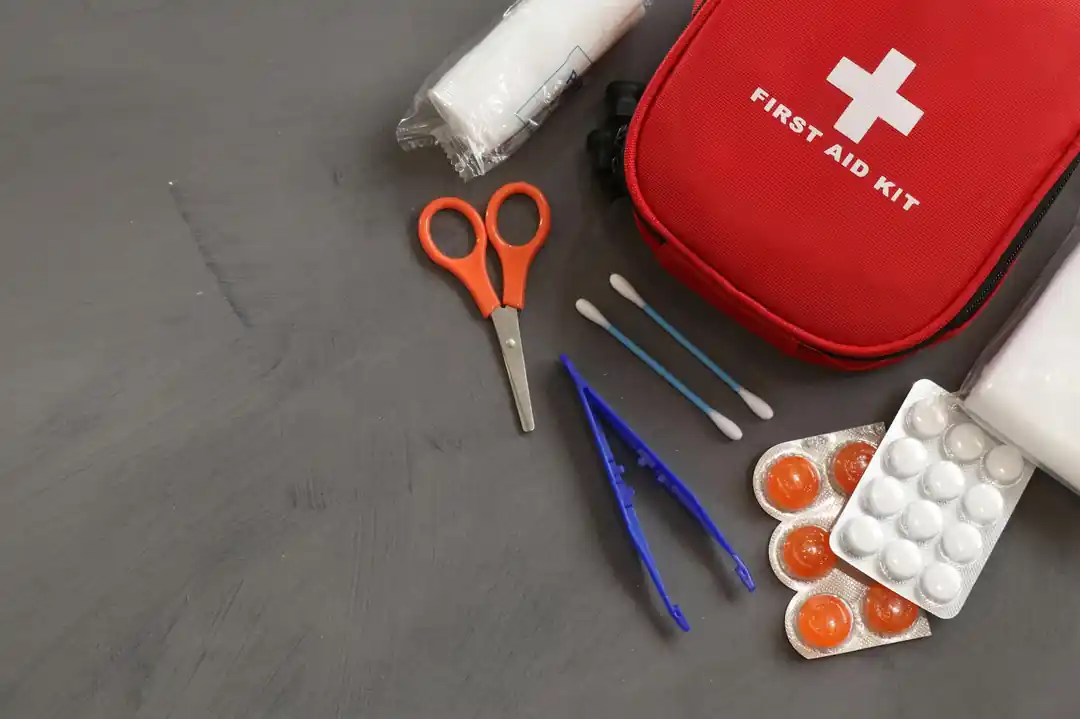
In the days following a major event, maintaining health and a sense of normalcy is crucial for your family's physical and mental well-being. A first-aid kit is not optional. You can buy a pre-made one, but I recommend customizing it. Include various sizes of bandages, sterile gauze, antiseptic wipes, adhesive tape, pain relievers, and any personal prescription medications. Make sure you have at least a seven-day supply of necessary medicines, and check the expiration dates on everything at least once a year.
Hygiene is another critical component that's easily overlooked. When plumbing is compromised, sanitation becomes a major health concern. Stock up on moist towelettes, garbage bags with plastic ties for personal sanitation, and hand sanitizer. A five-gallon bucket with a tight-fitting lid can also serve as an emergency toilet. It’s not glamorous, but it’s incredibly important for preventing the spread of illness.
Don't forget the small things that provide immense comfort. A whistle for each person is a powerful tool to signal for help. Dust masks are essential for breathing in an environment with airborne debris. And never underestimate the power of warmth. Have a sleeping bag or warm, durable blanket for everyone in your family. In a stressful situation, these small comforts can make a world of difference, especially for children.
Personalizing Your Kit: Documents, Tools, and Unique Needs
The final layer of a great kit is personalization. Every family is different, and your kit should reflect your unique circumstances. Start with crucial documents. Make digital and physical copies of your driver's licenses, birth certificates, passports, insurance policies, and deeds. Keep the physical copies in a waterproof, portable container. It’s also wise to have some cash, including small bills, as ATMs and credit card machines will likely be out of service.
A few basic tools can be lifesavers. A wrench to turn off gas and water lines is a must-have (and you should know how and when to do this safely). A multi-tool, duct tape, and sturdy work gloves can handle a surprising number of repairs and challenges.
Finally, think about the specific individuals in your family. If you have an infant, you'll need formula, diapers, and wipes. For pets, pack food, extra water, and any medications they need. For older adults, ensure you have their medications, glasses, and any mobility aids. And for kids, a few books, simple games, or a deck of cards can provide a much-needed sense of routine and distraction from the stress of the situation.
Taking the time to assemble this kit is an act of profound care. It’s a project you hope you’ll never need to use, but one that will provide an incredible sense of security just by existing. It’s a quiet promise to your family that you’ve thought ahead, and that you’re ready for whatever comes your way.
Feeling the Earth Breathe: An Introduction to Amateur Seismology
The San Francisco Dilemma: To Rent a Car or Rely on Ride-Sharing?

Related Posts
 HOBBIES
The Beginner's Guide to Reading the Night Sky: How to Spot Your First Constellations
A friendly, grounded guide to navigating the night sky, understanding stellar movements, and spotting iconic constellations without expensive gear.
 PETS
PETSSniffle-Free Snuggles: America's Most-Loved Hypoallergenic Dogs
Dreaming of a furry friend but dreading the sneezes? You're not alone. Let's dive into the wonderful world of popular hypoallergenic dog breeds in the US.

Popular Posts

Rethinking Non-Profit Promotion: Creative Strategies That Actually Drive Event Impact

Beyond Stark White: The Best Interior Paint Colors to Light Up Your New Space

How to Actually Master a New Language on Your Own (No Magic Gene Required)
