It’s the one thing you hope you never need, but will be endlessly grateful for when you do. Let's build the perfect first-aid kit for your four-legged best friend.
It was one of those perfect, sun-drenched Saturday afternoons at the dog park. My golden retriever, Leo, was having the time of his life, chasing squirrels and tumbling with his furry friends. He came bounding back to me, tail wagging, but then I saw it—a small, but surprisingly deep, gash on his paw pad, likely from a sharp rock. In that moment, my heart did a familiar little flip-flop. It wasn't a major emergency, but seeing him limp and in pain, I felt a wave of helplessness wash over me.
That day, I only had a bottle of water and some old napkins in my car. It was a wake-up call. While I couldn't have prevented the accident, I realized I was completely unprepared to handle its immediate aftermath. Building a proper first-aid kit isn't about trying to be a veterinarian; it's about being your dog's first responder. It’s about having the tools to manage a situation, provide comfort, and prevent a minor issue from becoming a major one.
Honestly, creating a kit is one of the most tangible ways we can show our dogs we love them. It’s a promise that if something happens, we’re ready to be there for them, armed with more than just good intentions.
The Core Four: Bandages, Wraps, and Antiseptics
When you’re dealing with a cut or scrape, your first priorities are to clean the wound and stop any bleeding. This is where the foundation of your kit comes in. You absolutely need a supply of sterile gauze pads in various sizes. These are your workhorses for applying gentle pressure to a bleeding wound or for cleaning it without leaving behind fuzzy fibers like cotton balls can. I also like to keep a few non-stick pads, which are a godsend for dressing a wound without it painfully sticking to the site as it heals.
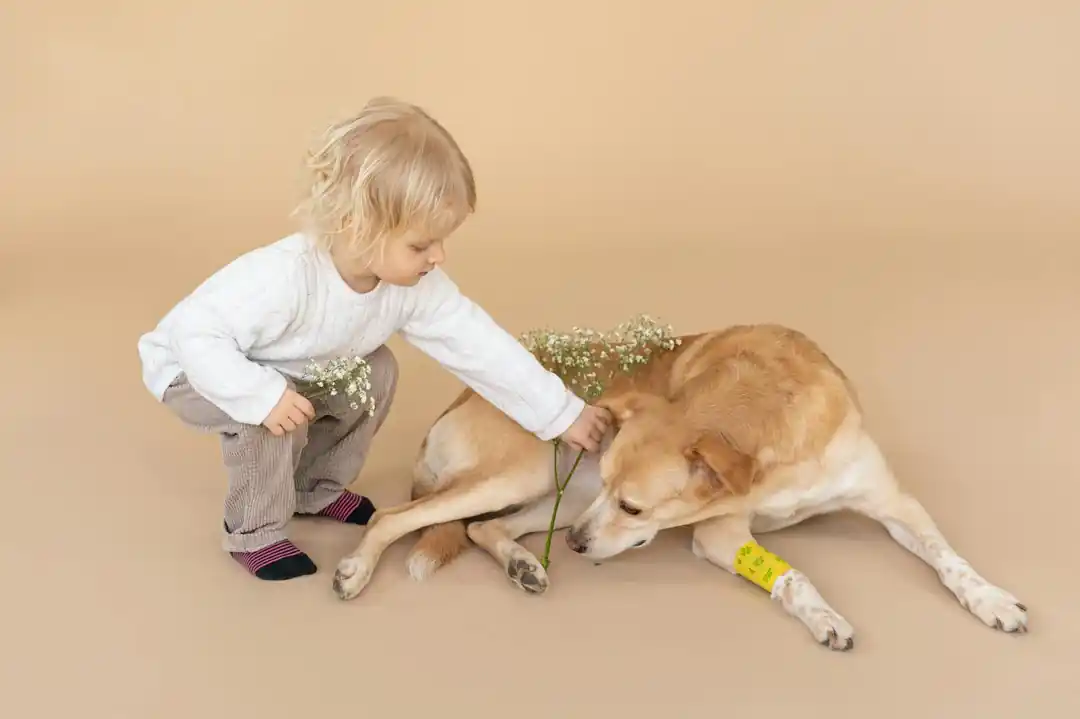
Next up is the magic of self-adhering elastic bandages, often known simply as "vet wrap." If you’ve ever tried to use a standard human adhesive bandage on a dog, you know it’s a losing battle against fur. Vet wrap is brilliant because it sticks to itself but not to your dog’s coat, making it easy to secure a gauze pad over a wound without causing your pup any extra discomfort. I learned from the American Red Cross that a proper wrap can also provide gentle pressure to help control swelling.
Of course, before you bandage anything, you need to clean it. Your kit should have antiseptic wipes that are safe for pets (meaning, free of alcohol or other harsh chemicals that can sting or delay healing). For flushing out debris from a wound or even something from an irritated eye, nothing beats a small bottle of sterile saline solution. It’s gentle, effective, and incredibly versatile. It’s the same stuff used in human first aid, and it’s just as essential for our pets.
Finally, don't forget a pair of blunt-nosed scissors. Trying to cut bandage material or trim fur away from a wound with pointy scissors is a recipe for disaster, especially with a dog that’s already scared and possibly squirming. The blunt tips provide a crucial margin of safety, ensuring you only cut what you intend to.
Beyond the Basics: Helpful Tools & Medications
Once you have the essentials for wound care, you can add a few items that will elevate your kit from basic to truly comprehensive. First on this list should be a good pair of tweezers. From pesky splinters picked up on a hike to the dreaded tick, having a reliable way to remove small foreign objects is non-negotiable. Some people even opt for a specialized tick-removal tool, which can make the process quicker and safer.
Another critical tool is a digital rectal thermometer. It might not be the most glamorous item, but knowing your dog's temperature is one of the fastest ways to gauge if something serious is going on. A fever can be the first sign of an infection or illness. Just be sure you know how to use it properly and have some water-based lubricant to make it more comfortable for your dog.
Now, for medications. This is where it gets serious, and I have to say this loud and clear: never give your dog any medication without first consulting your veterinarian. That said, you can stock your kit with items your vet has pre-approved. For example, many vets will give you the green light to use an over-the-counter antihistamine like Benadryl (diphenhydramine) for allergic reactions. But you must get the correct dosage for your dog’s specific weight from your vet. Having it on hand, with the dosage clearly written on the box, can be a lifesaver for a bee sting or sudden allergic rash. The same goes for a pet-safe antibiotic ointment to apply to minor cuts after cleaning.
One last item that’s incredibly practical is styptic powder. If you’ve ever trimmed your dog’s nails and accidentally clipped the quick, you know how much it can bleed. It’s alarming for both you and your dog. A quick dip in styptic powder stops the bleeding almost instantly. It’s a small container that can prevent a whole lot of panic.
Don't Forget the Paperwork (and Peace of Mind)
In the panic of an emergency, the last thing you want to be doing is frantically searching your phone for a number. Your first-aid kit should contain a waterproof, laminated card with all the critical contact information in one place. This includes your regular veterinarian's phone number and address, the contact info for the nearest 24/7 emergency animal hospital, and the number for the ASPCA Animal Poison Control Center: (888) 426-4435. Your phone could have a dead battery or you could be in an area with no service, so having a physical copy is a smart backup.
It’s also wise to include a copy of your dog’s vaccination history and any important medical records. If you have to rush to an emergency clinic that doesn’t know your dog, providing this information immediately can help them make faster, more informed decisions about your pet’s care. It removes the guesswork and ensures they know about any pre-existing conditions or allergies.
Finally, think about your dog’s emotional well-being. An injury is scary, and being in pain can make even the sweetest dog anxious. Tucking a small, lightweight emergency blanket into your kit can keep your dog warm and prevent shock, and it can also double as a makeshift stretcher if needed. A small, familiar toy or an old t-shirt with your scent on it can also provide a world of comfort in a stressful situation.
Being prepared doesn’t mean you’re anticipating the worst. It means you’re ready to provide the best possible care for the creature that gives you so much joy. It’s a quiet act of love, a promise that you’ll be there for them, ready and able, no matter what the trail ahead holds.

More Than Just Hitting Record: A Beginner's Guide to Cinematic Storytelling
Don't Wait for the Storm: A Pet Owner's Guide to Emergency Planning
Related Posts
 HOBBIES
The Beginner's Guide to Reading the Night Sky: How to Spot Your First Constellations
A friendly, grounded guide to navigating the night sky, understanding stellar movements, and spotting iconic constellations without expensive gear.
 PETS
PETSSniffle-Free Snuggles: America's Most-Loved Hypoallergenic Dogs
Dreaming of a furry friend but dreading the sneezes? You're not alone. Let's dive into the wonderful world of popular hypoallergenic dog breeds in the US.

Popular Posts

Rethinking Non-Profit Promotion: Creative Strategies That Actually Drive Event Impact

Beyond Stark White: The Best Interior Paint Colors to Light Up Your New Space

How to Actually Master a New Language on Your Own (No Magic Gene Required)
