Dreaming of seeing majestic beasts in their natural habitats? Here’s a personal guide to the most unforgettable wildlife encounters in the US National Parks.
There’s a certain kind of quiet thrill that buzzes in the air when you’re deep in nature, eyes peeled, searching for a glimpse of something truly wild. It’s a feeling that’s part anticipation, part reverence. For me, that feeling is the very heart of why I travel. It’s not just about seeing a new place; it’s about connecting with the life that inhabits it, witnessing the untamed spirit of a landscape through its creatures. And honestly, there’s no better place to do that than in the sprawling, protected wilderness of the U.S. National Parks.
I used to think wildlife spotting was purely a matter of luck. You either saw a bear, or you didn’t. But over the years, I’ve learned it’s more of an art. It’s about understanding habitats, knowing when to be quiet, and having a healthy dose of patience. It’s about the quiet satisfaction of seeing an animal in its element, a silent agreement of mutual respect. These parks are not zoos; they are living, breathing ecosystems, and we are merely guests.
From the thundering herds of bison in the west to the silent glide of an alligator in the southern wetlands, America’s parks offer a front-row seat to some of the most incredible wildlife spectacles on Earth. It’s a chance to put down the phone, pick up the binoculars, and truly be present.
Yellowstone & Grand Teton: The American Serengeti
When people think of wildlife in the U.S., Yellowstone is often the first name that comes to mind, and for very good reason. This park is a veritable Eden, home to the largest concentration of mammals in the lower 48 states. The sheer scale of it is hard to comprehend until you’re there, driving through valleys that teem with life. The Lamar Valley, in particular, feels like stepping into a nature documentary. It’s often called "America's Serengeti," a vast expanse where you can watch hundreds of bison graze, their powerful forms a fixture of the landscape.
My first trip to Yellowstone was a revelation. I expected to see a bison or two; I did not expect to be in the middle of a full-blown bison traffic jam, their massive bodies just feet from my car. It was both intimidating and absolutely awe-inspiring. Beyond the bison, the park is a sanctuary for grizzly and black bears, wolves, elk, pronghorn, and bighorn sheep. Dawn and dusk are magical times here, especially if you’re hoping to spot a wolf pack moving across the valley floor—a truly haunting and unforgettable sight.
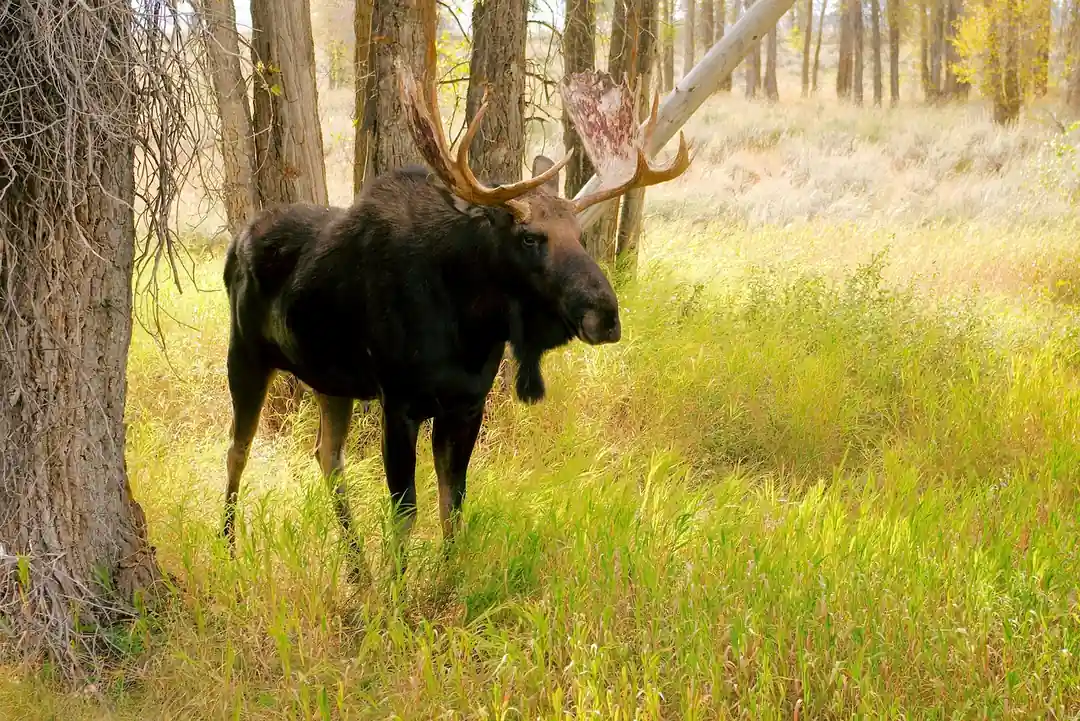
Just a stone's throw south, Grand Teton National Park offers a different but equally dramatic stage for wildlife. The jagged, saw-toothed peaks of the Tetons create a stunning backdrop for the drama unfolding below. The Snake River winds through the valley, creating lush habitats perfect for moose. I’ll never forget one misty morning at Oxbow Bend, watching a massive bull moose wade into the water, his antlers silhouetted against the sunrise. It’s moments like those that stick with you. The park is also a crucial habitat for elk, and hearing their bugling echo through the valley during the fall rut is a primal and powerful experience.
Denali & Katmai: Alaska's Raw Wilderness
If you want to take your wildlife quest to the next level, Alaska is the ultimate frontier. The state’s national parks are on a scale that is almost unimaginable, a truly untamed wilderness. Denali National Park and Preserve covers six million acres, a landscape so vast and wild that private vehicles are restricted for most of its single road. Instead, you board a park bus that takes you deep into the interior, a journey that becomes a shared safari with fellow passengers.
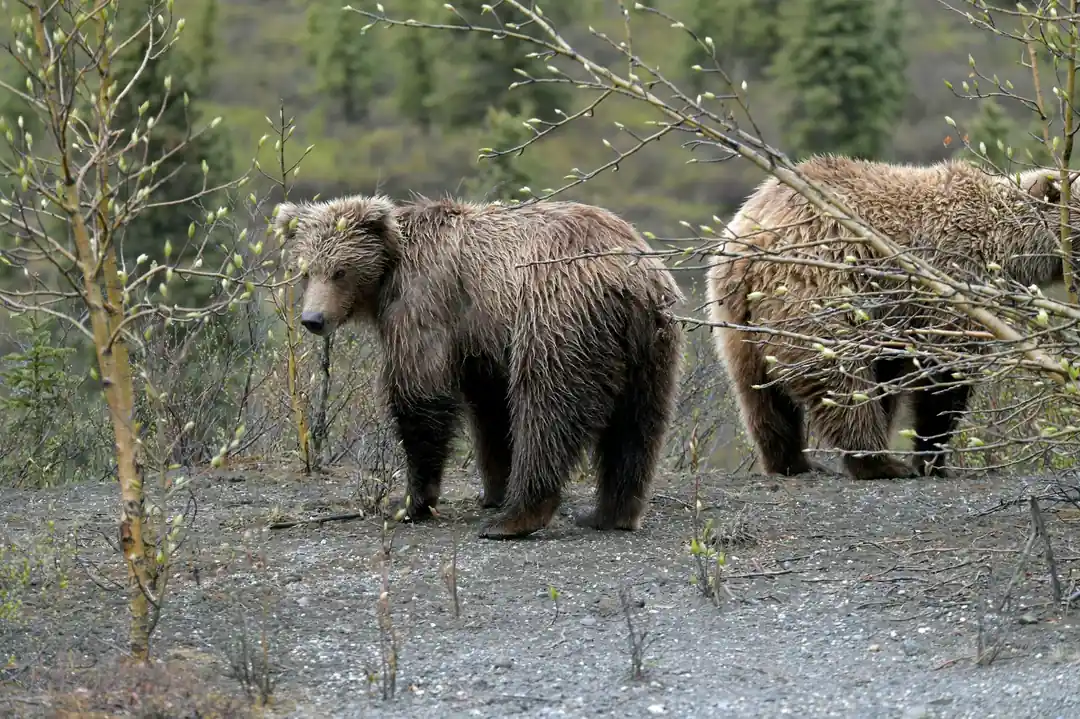
The goal in Denali is often to spot the "Big 5": grizzly bear, moose, caribou, wolf, and Dall sheep. The landscape is breathtaking, with the colossal figure of Denali (the mountain) presiding over it all. Seeing a grizzly bear ambling across the tundra or a herd of caribou flowing over a distant ridge feels like a true privilege. The sheer size of the park means sightings are earned, which makes them all the more special.
For a more focused, and frankly jaw-dropping, bear experience, Katmai National Park is world-famous. This is the home of Brooks Falls, where dozens of massive brown bears congregate every summer to feast on migrating salmon. It’s a spectacle of raw, natural power. Watching these huge predators skillfully snatch fish from the rushing water is mesmerizing. It’s a visceral reminder of the circle of life and the incredible abundance that nature can provide. While getting to Katmai is a journey in itself, typically involving a floatplane, the reward is one of the most incredible wildlife shows on the planet.
Everglades & Great Smoky Mountains: Biodiversity Hotspots
Wildlife viewing isn’t just about megafauna in the mountains. The wetlands and forests of the south and east offer their own unique and rich ecosystems. Everglades National Park in Florida is a subtropical wonderland, a "river of grass" that flows slowly toward the sea. This UNESCO World Heritage Site is a haven for wading birds. On any given day, you can see roseate spoonbills, egrets, herons, and wood storks in staggering numbers.
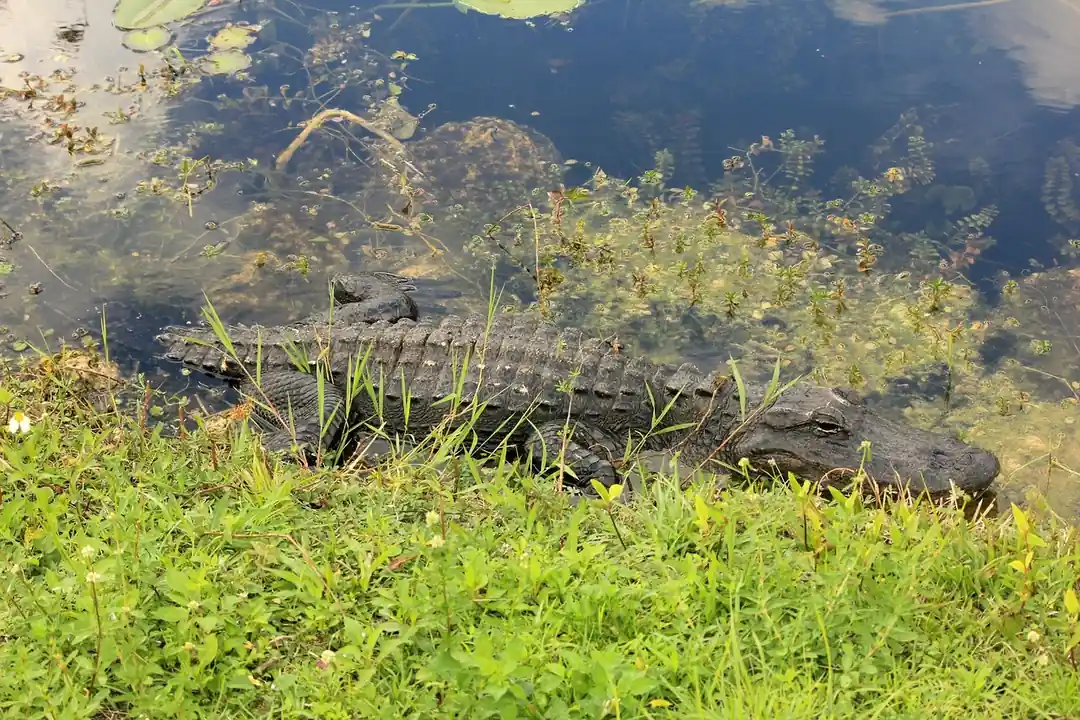
Of course, the Everglades is most famous for its reptilian residents. Taking an airboat tour (in designated areas outside the park) or a guided tram tour through Shark Valley is the best way to see dozens, if not hundreds, of American alligators basking in the sun. It’s also one of the few places in the world where alligators and crocodiles coexist. The slow, watchful energy of the Everglades is completely different from the wide-open spaces of the west, but it’s just as wild and captivating.
Meanwhile, straddling the border of North Carolina and Tennessee, Great Smoky Mountains National Park is the most visited national park in the country, and its biodiversity is simply astounding. It’s a world of lush forests, cascading waterfalls, and misty mountains. The park is a sanctuary for black bears, and they are the undisputed stars of the show. Driving the Cades Cove loop at dawn or dusk offers a fantastic chance of spotting them foraging in the fields or ambling across the road.
Beyond the bears, the park is also home to a reintroduced elk herd in the Cataloochee Valley and is known as the "Salamander Capital of the World." It’s a park that rewards slow, quiet exploration. Hiking one of its many trails, you become immersed in a world of sound and subtle movement—the rustle of leaves, the chatter of a squirrel, the song of a hidden bird. It’s a more intimate kind of wildlife watching, but no less magical.
A Final Thought on Respectful Viewing
No matter which park you visit, the golden rule of wildlife observation is respect. We are visitors in their homes. This means keeping a safe and respectful distance—for your safety and theirs. Using binoculars and telephoto lenses is the best way to get a close-up view without disturbing the animals. Never, ever feed wildlife. It’s dangerous for them and for future visitors.
The magic of these encounters lies in their authenticity. It’s about seeing animals behave naturally in the wild, a privilege that is becoming rarer in our modern world. So go, explore, and be patient. The wild heart of America is out there waiting, and it is a truly beautiful thing to witness.
The Silent Stories: A Field Guide to North American Animal Tracks
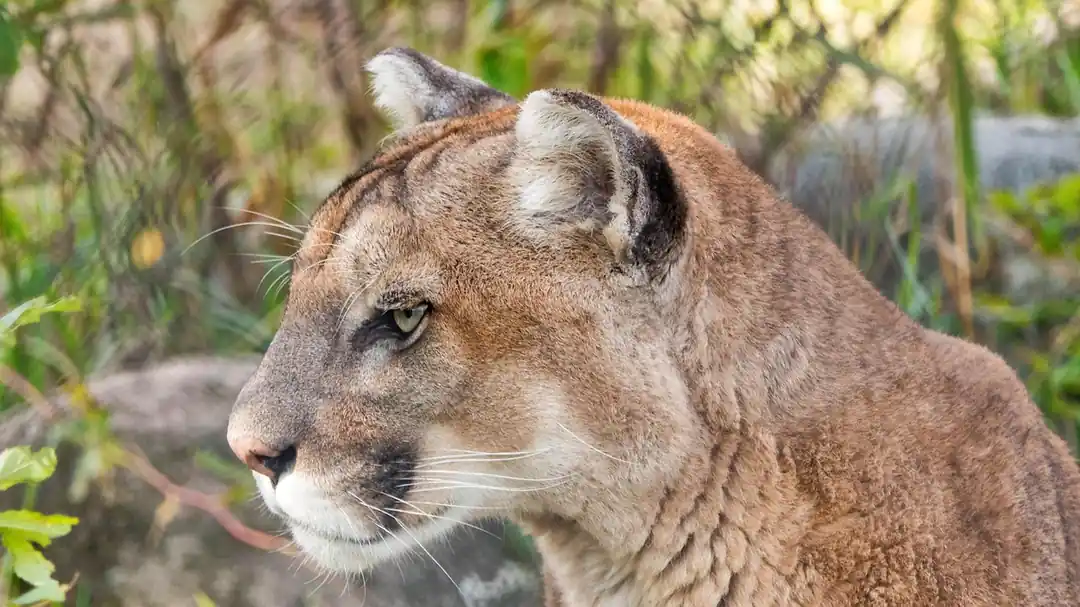
When the Wild Stares Back: What to Do if You Encounter a Mountain Lion
Related Posts
 HOBBIES
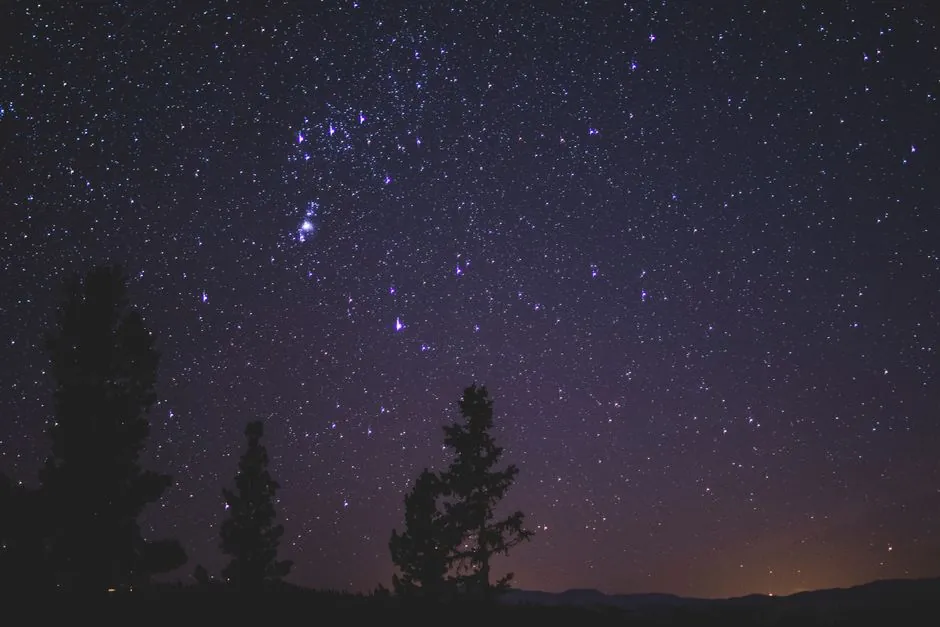
The Beginner's Guide to Reading the Night Sky: How to Spot Your First Constellations
A friendly, grounded guide to navigating the night sky, understanding stellar movements, and spotting iconic constellations without expensive gear.
 PETS
PETSSniffle-Free Snuggles: America's Most-Loved Hypoallergenic Dogs
Dreaming of a furry friend but dreading the sneezes? You're not alone. Let's dive into the wonderful world of popular hypoallergenic dog breeds in the US.
Popular Posts

Rethinking Non-Profit Promotion: Creative Strategies That Actually Drive Event Impact

Beyond Stark White: The Best Interior Paint Colors to Light Up Your New Space

How to Actually Master a New Language on Your Own (No Magic Gene Required)
