Chasing the Yukon's Dancing Lights: Your Guide to an Unforgettable Aurora Adventure
Dreaming of witnessing the Northern Lights in their full glory? The Yukon offers one of the world's most spectacular stages, and I'm here to share the secrets to catching this celestial ballet.
There's a certain magic that calls to us from the far north, isn't there? A whisper of vibrant colors painting the inky canvas of the night sky, a dance so ethereal it feels almost otherworldly. For many, the Northern Lights, or Aurora Borealis, are a bucket-list dream, and honestly, the Yukon is one of the absolute best places on Earth to make that dream a breathtaking reality. I've always been drawn to places where nature puts on its grandest shows, and the Yukon's aurora display is, without a doubt, a headliner. But when exactly should you pack your bags and head north to catch this celestial spectacle? Let's dive in.
The Aurora Season: A Generous Window of Wonder
You might think seeing the Northern Lights is a fleeting, once-a-year event, but the Yukon actually offers a surprisingly long season for aurora viewing. We're talking from mid-August all the way through to mid-April. That's a huge window, giving you plenty of flexibility to plan your adventure. It's all about darkness, you see. While the aurora is active year-round, the Yukon's glorious summer months, with their near-constant daylight, simply don't allow the lights to shine through. So, as soon as those nights start to lengthen, the show begins.
This extended season means you have choices, and each part of the season offers its own unique charm. Whether you prefer the crisp air of autumn or the deep freeze of winter, the Yukon has a Northern Lights experience waiting for you. It's not just about seeing the lights; it's about the entire journey and the atmosphere that surrounds this incredible natural phenomenon.
Autumn's Embrace: Milder Nights and Golden Hues
If the thought of extreme cold makes you shiver (and not in a good way!), then late August to October might just be your sweet spot. This autumn period is often described as a fantastic, and perhaps underrated, time to visit. The weather is noticeably milder than the depths of winter, making those late-night viewing sessions much more comfortable. Imagine standing under a sky streaked with green and purple, with the added bonus of vibrant autumn foliage painting the landscape in fiery reds and golds during the day. It's a photographer's dream, truly.
September, in particular, gets a special mention for comfortable outdoor viewing, as temperatures haven't yet plummeted below freezing. You get the best of both worlds: sufficiently dark skies for the aurora to pop, and a more forgiving climate for enjoying the experience without feeling like an icicle. Plus, there are often fewer crowds during this shoulder season, which can make for a more intimate and serene experience with nature's light show.
Winter's Classic Charm: Longest Nights, Brightest Displays
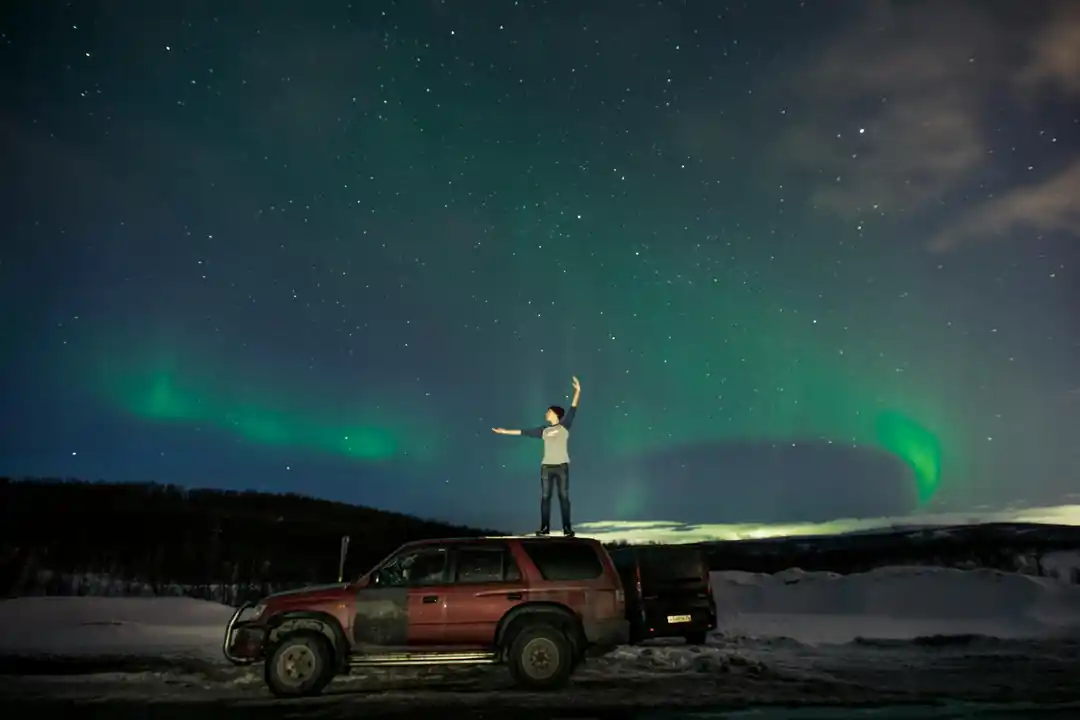
For the quintessential Northern Lights experience, many will tell you that winter, from November to March, is the classic choice. This is when the nights are at their longest and darkest, maximizing your chances of witnessing an intense and prolonged display. December to February is even considered the peak season for aurora viewing in the Yukon. The snow-covered landscapes transform into a magical winter wonderland, providing a stunning backdrop for the dancing lights.
However, a word to the wise: winter in the Yukon is cold. We're talking temperatures that can easily dip into the minus 40-degree Celsius range. So, if you choose this time, you absolutely must be serious about bundling up. Layers, thermal wear, insulated jackets, hats, gloves, and sturdy footwear are not just recommendations; they're necessities. But for those brave enough to face the chill, the reward can be an unforgettable spectacle of light against a pristine, snowy canvas.
Timing is Everything: Nightly Windows and Solar Activity
Beyond the season, there's also the best time of night to catch the aurora. Most sources agree that the magic window for viewing is typically between 10 PM and 3 AM. This is when the skies are at their darkest and the auroral oval is often most active. It means late nights, but trust me, a few hours of lost sleep are a small price to pay for such an incredible show.
Another crucial factor is solar activity. The Northern Lights are caused by solar winds interacting with Earth's atmosphere, and the intensity of these interactions varies with the sun's 11-year solar cycle. We're currently in Solar Cycle 25, which is expected to reach its peak between 2023 and 2026. This means that right now, and for the next couple of years, we're in a particularly good era for aurora viewing, with potentially more frequent and vibrant displays. It's like nature's own special effects budget just got a massive upgrade!
Maximizing Your Chances: Tips for the Aurora Hunter
Seeing the Northern Lights isn't just about being in the right place at the right time; it's also about preparation and a little bit of luck. First and foremost, aim for dark, clear, and preferably moonless nights. Light pollution is the enemy of aurora viewing, so venturing a bit outside of city centers like Whitehorse will significantly enhance your experience. Places like Fish Lake, Schwatka Lake, or even just a quiet spot away from town lights offer excellent vantage points.
Secondly, and this is a big one: plan to stay for at least three nights. Mother Nature doesn't take reservations, and the aurora can be unpredictable. Giving yourself a few evenings dramatically increases your odds of catching a spectacular display. Finally, consider using aurora forecasting apps or websites, like My Aurora Forecast or Space Weather Live, to track real-time predictions of solar activity and cloud cover. These tools can be invaluable in helping you decide when and where to head out for the best possible show.
Ultimately, a trip to the Yukon for the Northern Lights is more than just a vacation; it's an immersion into the raw, untamed beauty of the north. It's about the crisp air, the silent, star-studded nights, and the profound sense of wonder that washes over you as the sky comes alive. It's an experience that truly stays with you, a vivid memory of nature's most magnificent light show.

Your First Apartment: A No-Stress Guide to Finding a Place You'll Love
More Than a Label: What Truly Defines Haute Couture?

Related Posts
 TRANSPORT
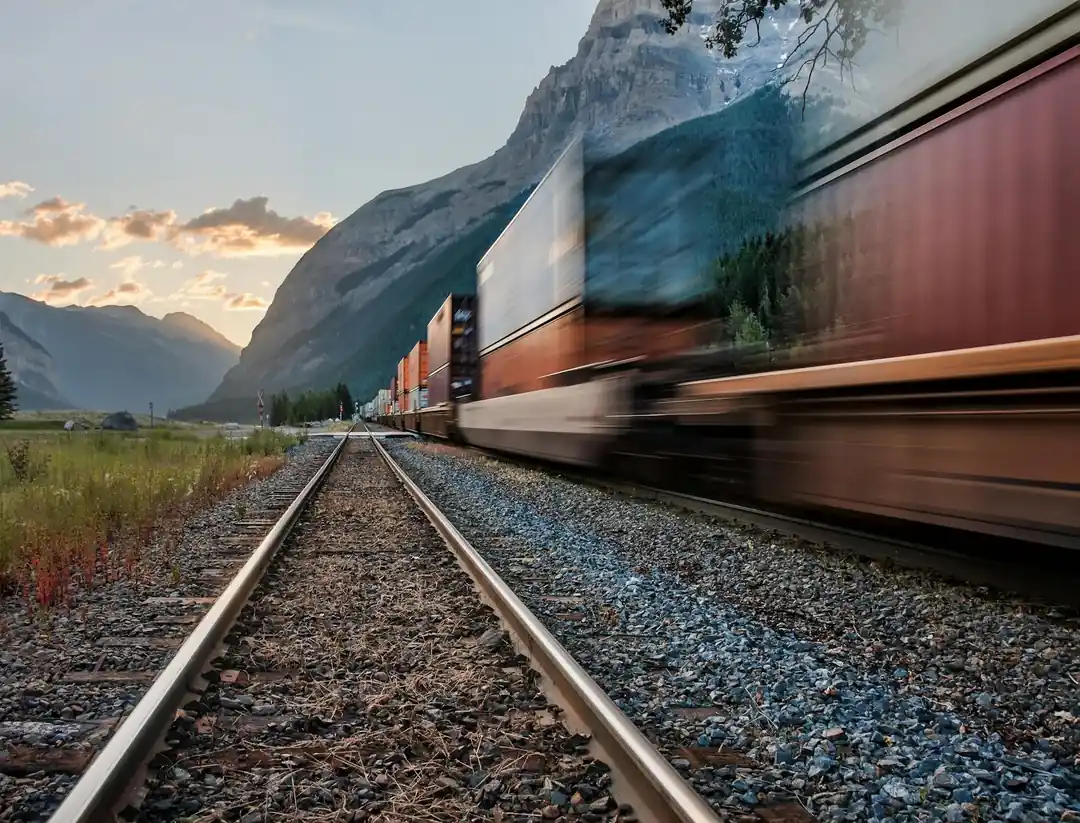
Beyond the Highway: Finding Canada's Soul on a Western Rail Adventure
Forget road trips. I'm talking about rediscovering the romance of travel on Via Rail's most scenic routes through the heart of the Canadian West. It’s an experience that changes you.
 TRAVEL TIPS
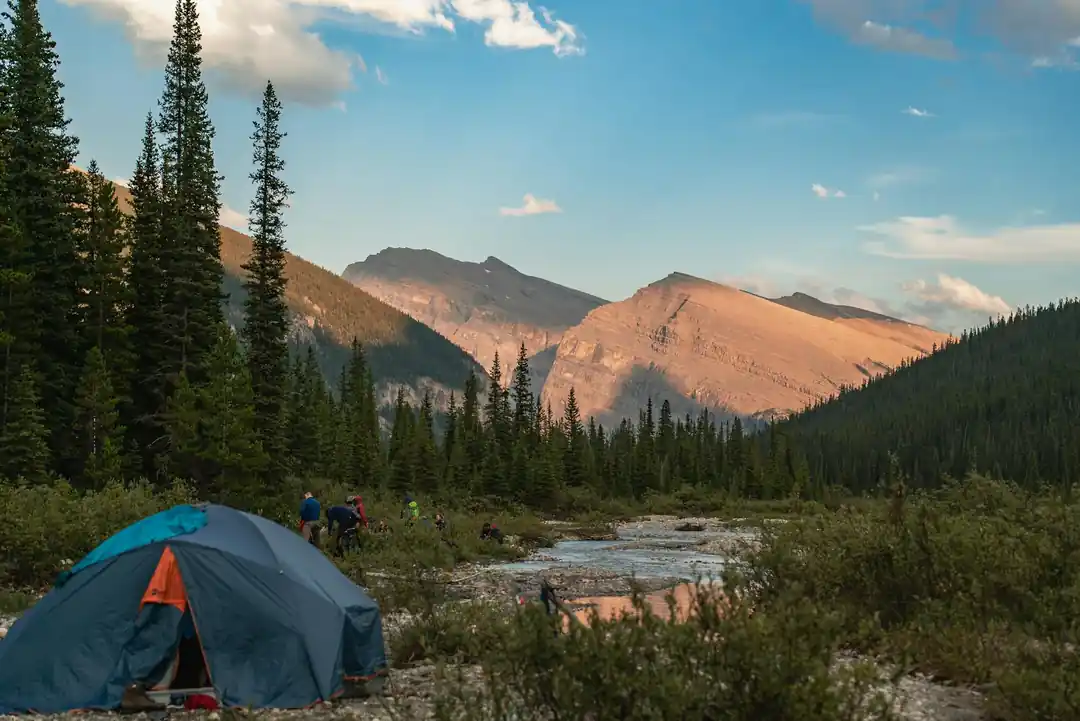
The Unwritten Rules of the North: What to Know Before Camping in Canada
Heading to the Great White North for a camping trip? It's an amazing idea. But from campfire etiquette to wildlife wisdom, here’s what you need to know before you go.

Popular Posts

Rethinking Non-Profit Promotion: Creative Strategies That Actually Drive Event Impact

Beyond Stark White: The Best Interior Paint Colors to Light Up Your New Space

How to Actually Master a New Language on Your Own (No Magic Gene Required)
