Ever feel that itch to get more out of your car? You're not alone. Let's explore how you can start modifying your car legally and safely, right from your own garage.
There’s a unique thrill that comes with driving a car that feels truly yours. It’s more than just a way to get from point A to B; it’s an extension of your personality. For many of us in the US, that desire to personalize our rides naturally leads to the world of performance modifications. The term can conjure images of loud, illegal street racers, but the reality is far more accessible and, frankly, rewarding. You don't need to be a master mechanic to start making meaningful, legal upgrades that enhance your driving experience.
Honestly, the idea of popping the hood and making changes can be intimidating. What if I break something? What if I get a ticket? These are valid questions that every enthusiast has asked at some point. But here’s the secret: the journey into DIY car mods is best taken one small, well-researched step at a time. It’s about learning, growing, and building a deeper connection with your vehicle. This guide is for those of you standing at the starting line, ready to get your hands a little dirty and unlock your car's hidden potential without running afoul of the law.
Understanding the Rules of the Road
Before we talk about the fun stuff, we have to address the legal side of things. In the United States, vehicle modifications are regulated by both the Environmental Protection Agency (EPA) at the federal level and by individual state laws. The primary concerns are emissions, noise levels, and safety. Tampering with or removing your car's catalytic converter, for example, is a federal offense and a guaranteed way to fail an emissions test.
States like California have the strictest standards, managed by the California Air Resources Board (CARB). Many aftermarket parts that are legal for sale in California will have a CARB Executive Order (EO) number. This little number is your golden ticket; it certifies that the part has been tested and will not increase your vehicle's emissions. Even if you don't live in California, looking for CARB-compliant parts is a great way to ensure you're staying on the right side of the law, as many other states model their regulations on California's. Always, and I mean always, check your local and state regulations before buying or installing a new part. A quick search on your state's DMV website can save you a world of trouble.
First Steps: Where to Begin Your Modding Journey
So, where do you start? The best beginner mods are those that are relatively easy to install, affordable, and offer a noticeable improvement without drastically altering the car's core systems. These are your "gateway mods" that build confidence and provide a solid foundation for future upgrades.
1. Better Breathing with a Cold Air Intake
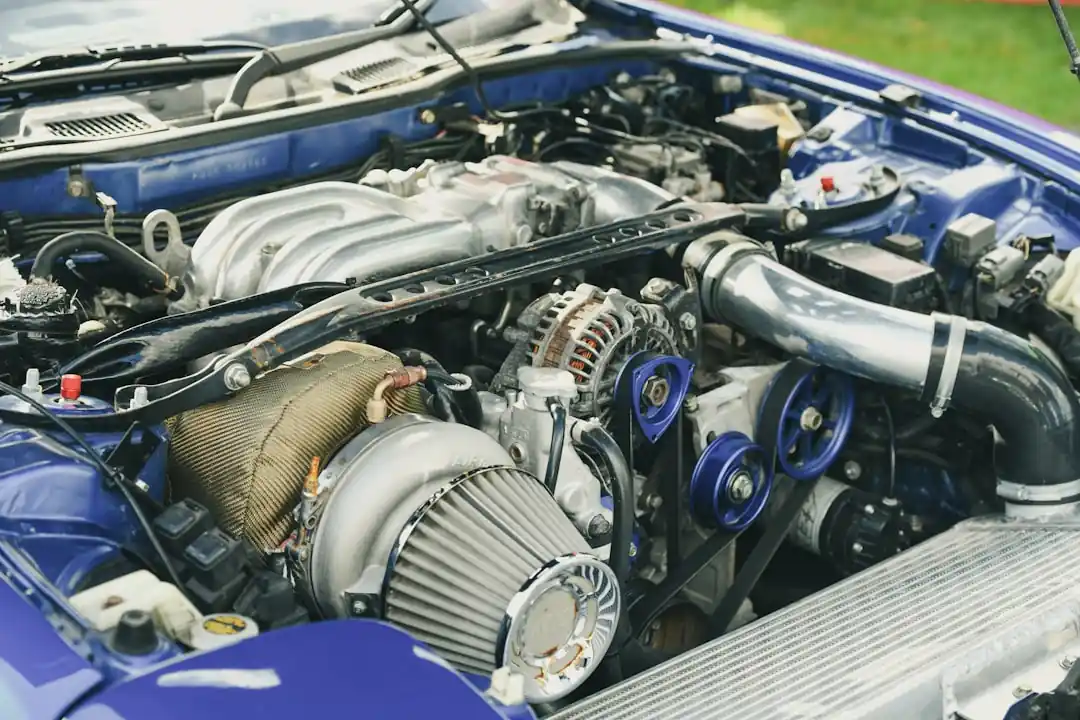
Think of your engine as an athlete. The more clean, cool air it can breathe, the better it performs. A cold air intake (CAI) replaces your stock airbox and filter, providing a less restrictive path for air to enter the engine. The "cold" part is key—denser, colder air contains more oxygen, which allows for a more powerful combustion. This can result in a modest gain in horsepower and torque, but the most immediate difference you'll feel is improved throttle response.
Many reputable brands like K&N or AEM offer CARB-compliant intake systems that are a breeze to install with basic hand tools. It’s often one of the very first mods people do, and for good reason. It’s a satisfying afternoon project that gives your engine a satisfying growl when you step on the gas.
2. Finding Its Voice: The Cat-Back Exhaust
If a cold air intake is about breathing in, an exhaust system is about breathing out. A "cat-back" exhaust system replaces all the piping from the catalytic converter to the exhaust tip. Because it doesn't touch the emissions-critical catalytic converter, it's one of the safest and most popular exhaust modifications.
A good cat-back system can reduce backpressure, allowing the engine to exhale more efficiently, which can free up a few horsepower. But let's be honest, the main draw for many is the sound. It can transform your car’s personality from a quiet commuter to a machine with a purpose-filled, sporty tone. Just be mindful of noise regulations. Reputable manufacturers like MagnaFlow or Borla design their systems to provide a great sound without being obnoxiously loud or attracting unwanted attention from law enforcement.
Improving Your Connection to the Pavement
Power is only one part of the performance equation. How your car handles and feels in the corners is just as important. This is where wheels, tires, and suspension come in.
1. The Most Important Upgrade: Tires
I will say this until I'm blue in the face: tires are the single most important performance modification you can make. They are the only part of your car that actually touches the road. You can have all the horsepower in the world, but if you can't put it to the pavement, it's useless.
Upgrading from standard all-season tires to a set of high-performance summer tires will have a dramatic impact on your car's grip, braking, and cornering ability. The difference is truly night and day. When choosing tires, consider your climate and driving style. If you live in an area with harsh winters, you'll want to have a separate set of winter tires.
2. Wheels and Suspension
Once you have good tires, you can think about the components that control them. A set of lighter aftermarket wheels can reduce unsprung weight, which helps your suspension work more effectively and can improve both handling and acceleration.
From there, you can explore suspension modifications. A simple and effective starting point is upgrading your sway bars. These bars connect the left and right sides of your suspension and work to reduce body roll during cornering, making the car feel more stable and planted. For those wanting to go a step further, a set of quality lowering springs or a full coilover kit can lower your car's center of gravity and allow for adjustments to ride height and stiffness. Just be sure not to lower the car so much that it becomes impractical or unsafe for daily driving.

The world of car modification is a deep and rewarding one. Starting with these simple, legal, and effective DIY projects will not only make your car more enjoyable to drive but will also give you the confidence and knowledge to continue your journey. Take your time, do your research, and most importantly, have fun with it.

The Great Console Debate: How to Choose the Right Gaming System for Your Family
The Unshakable Home: How to Build a Comprehensive Earthquake Preparedness Kit

Related Posts
 HOBBIES
The Beginner's Guide to Reading the Night Sky: How to Spot Your First Constellations
A friendly, grounded guide to navigating the night sky, understanding stellar movements, and spotting iconic constellations without expensive gear.
 PETS
PETSSniffle-Free Snuggles: America's Most-Loved Hypoallergenic Dogs
Dreaming of a furry friend but dreading the sneezes? You're not alone. Let's dive into the wonderful world of popular hypoallergenic dog breeds in the US.

Popular Posts

Rethinking Non-Profit Promotion: Creative Strategies That Actually Drive Event Impact

Beyond Stark White: The Best Interior Paint Colors to Light Up Your New Space

How to Actually Master a New Language on Your Own (No Magic Gene Required)